Wondering which Newton home style fits your life? With so many eras and looks across the city’s villages, it can be hard to know what you’re seeing and what it means for daily living. You want character, but you also want a layout that works, a sensible renovation plan, and a location that fits your commute and routine. This guide breaks down Newton’s most popular styles, what to expect inside, renovation considerations, and how to match each style to your goals. Let’s dive in.
Why Newton’s styles stand out
Newton grew in waves tied to the railroad, streetcars, and later the automobile, so you find 19th-century homes near early village centers alongside early-20th-century streets and mid-century pockets. That layered history creates real variety from one village to the next. Many neighborhoods retain period character, and some areas include local historic districts where exterior changes may require review by the City or a local commission.
The practical takeaway for you: expect choice. You will see Colonial Revival near Tudor, Shingle next to Craftsman, and mid-century ranches tucked among older streets. Renovation complexity usually correlates with age and detail level, so plan budgets and timelines accordingly.
Colonial Revival essentials
How to spot it
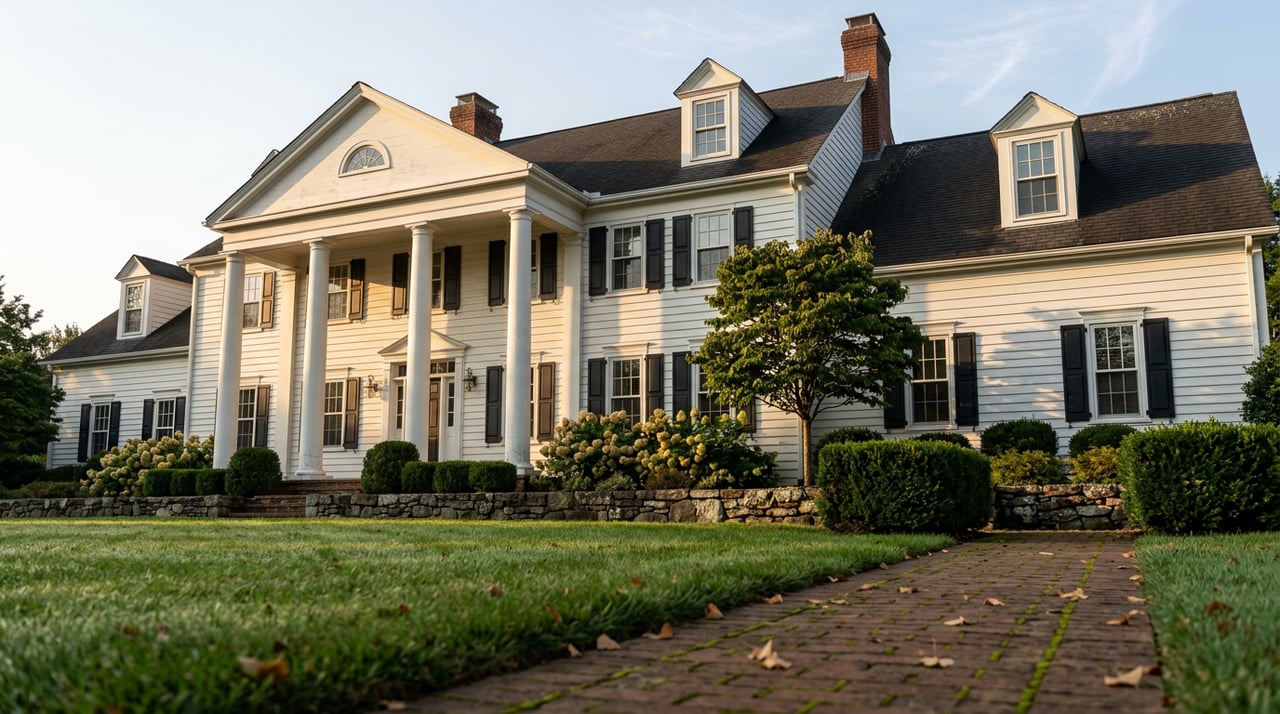
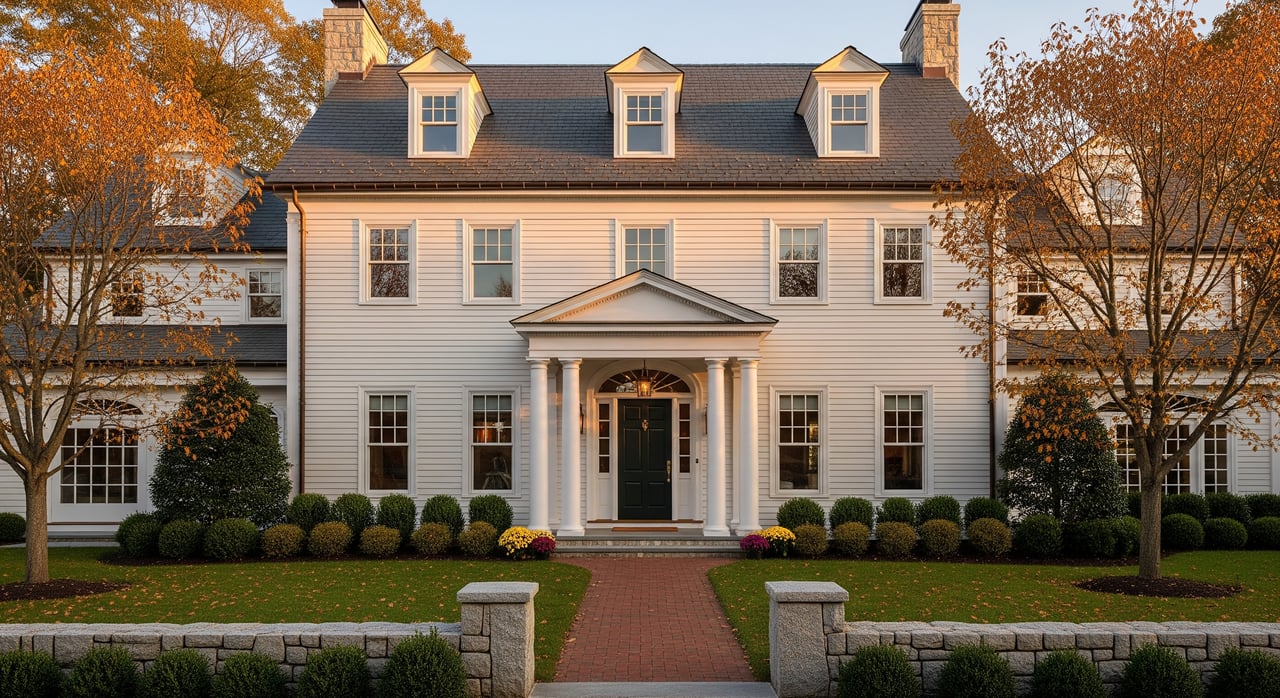
Symmetrical front, central or side entrance with classical details, and multi-pane double-hung windows. Siding is often clapboard or shingle, with dormers or porches on later versions.
Inside layout
A center-hall plan is common, with formal living and dining up front and the kitchen toward the rear. Upstairs usually offers two to four bedrooms. Basements are typical and attics are sometimes finished later.
Renovation focus
Kitchens often move or expand to create an open kitchen and family room. You will want to preserve original trim and staircases. Window upgrades for energy performance should keep the historic look.
Where in Newton
Widespread across Newton Centre, Waban, Chestnut Hill, West Newton, and other established neighborhoods.
Victorian styles
How to spot it
Asymmetry, steep and complex rooflines, wrap porches, patterned shingles, and decorative trim. Queen Anne examples may show turrets or towers. Italianate details include brackets and tall windows.
Inside layout
Expect formal parlors and multiple reception rooms. Rooms can be boxed or angled rather than open plan. Ceilings are often tall and fireplaces are common.
Renovation focus
Restoring exterior trim, shingles, and slate roofs can be specialized and costly. Kitchens, baths, and mechanicals often need modernization, with careful planning to conceal new systems.
Where in Newton
Look in Newton Centre, Newton Highlands, parts of Auburndale and Waban, and other areas shaped by 19th-century growth.
Tudor Revival warmth
How to spot it
Steep gables, decorative half-timbering, tall grouped windows, and prominent chimneys. Exteriors often combine stucco, brick, and stone.
Inside layout
More compartmentalized rooms with cozy nooks. Many have a formal living room and separate dining, creating an English cottage feel.
Renovation focus
Match stucco and half-timber details carefully. Chimney and masonry repairs, window replacements that maintain divided-lite patterns, and roofing attention are typical projects.
Where in Newton
Concentrations appear in Chestnut Hill, Waban, and parts of Newton Centre where early 20th-century suburban development favored revival styles.
Shingle, Craftsman, and Foursquare
How to spot it
Shingle Style uses continuous wood shingles with complex but understated massing and large porches. Craftsman and bungalows feature low-pitched gables, wide eaves with exposed rafters, and substantial porch supports. American Foursquare is a boxy two to two-and-a-half story form with a simple, efficient footprint.
Inside layout
Craftsman and bungalows are compact and informal, often with built-ins. Foursquares typically offer four rooms per floor and adapt well to updates. Shingle interiors lean relaxed and flexible.
Renovation focus
Protect original woodwork and built-ins. Ensure porches are structurally sound. Foundation and drainage improvements may be needed to support finished basements and expanded kitchens.
Where in Newton
Common in Waban, Auburndale, Newton Centre, and other early streetcar suburbs.
Mid-century and newer infill
How to spot it
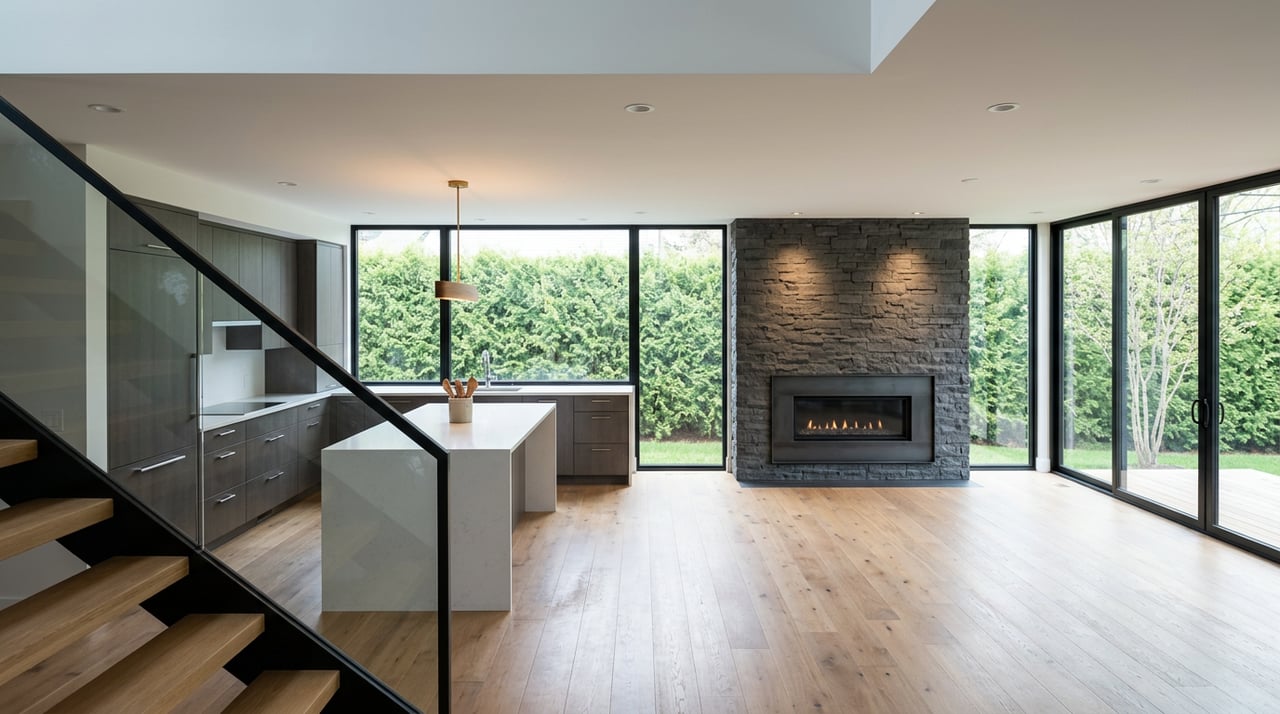
Ranches and split-levels have simpler lines, larger windows, and open or semi-open plans. Newer infill varies, often using historically compatible fronts in older streets.
Inside layout
Generally more open and practical for today’s living. Bedrooms may be on the same level as living spaces or split across short half-levels.
Renovation focus
These homes are usually easier to modernize mechanically. Lots can be smaller and architecture more understated compared with period styles.
Where in Newton
Scattered in post-war growth corridors and in infill pockets throughout the city.
Match style to lifestyle
- If you want historic character and standout details: consider Victorian and Tudor. Expect higher maintenance and careful renovation planning.
- If you want flexible space with a path to open living: look at Colonial Revival, Foursquare, Shingle, and larger Tudors.
- If you want lower maintenance and simpler updates: explore mid-century ranches, split-levels, and newer infill or well-updated Colonials.
- If outdoor space matters: target larger lots found in parts of Chestnut Hill, Waban, and some areas of Newton Centre and Auburndale.
- If commute convenience is key: focus on villages near MBTA Green Line stops, commuter rail, or major roads while balancing your style preference.
Renovation realities in Newton
Older Newton homes can include aged boilers or oil-fired systems, knob-and-tube wiring, lead paint in pre-1978 homes, and potential asbestos in older materials. Stone or brick foundations may show mortar wear, and original single-pane windows reduce efficiency.
Address water and drainage first. Newton’s hilly topography means grading, downspouts, and sump systems matter. Roof integrity, foundation stability, electrical service, and HVAC should be priorities before cosmetic work.
For energy upgrades, consider air sealing, attic and rim joist insulation, storm windows or historically compatible sashes, and efficient heating like high-efficiency boilers or heat pumps where feasible. Historic districts vary in what they allow, so plan sympathetic improvements.
Permits and preservation
Some neighborhoods fall under local historic district rules or have historically significant properties. Exterior changes like siding, roofing, porches, and windows may need permits and design review. Connect early with the City of Newton Planning and Development team and any relevant Historic District or Historical Commission.
If a property is listed in the Massachusetts Historical Commission inventory, additional context can guide your renovation approach. Allow extra time for reviews and specialty trades. Skilled craftspeople for slate roofing, historic masonry, and fine wood trim are in demand.
Quick walk-through checklist
- Structural: foundation type and mortar condition, signs of settlement, roof age and flashing, floor sag.
- Moisture: basement dampness, sump pump, grading away from the house, downspout routing.
- Mechanical: heating system type and age, electrical service size and presence of knob-and-tube, plumbing materials, oil tank status, any visible asbestos.
- Hazards: lead paint, asbestos-containing materials, mold concerns, and consider radon testing.
- Historic elements: siding, trim, porches, and window condition. Estimate restoration versus compatible replacement.
- Site: lot lines, mature trees, driveway and parking, and zoning implications for additions or accessory structures.
Glossary of key terms
- Clapboard: Long horizontal wood siding boards.
- Shingle: Overlapping wood or composite siding pieces.
- Half-timbering: Exposed wood framing with stucco infill, typical of Tudor.
- Gambrel: Double-sloped barn-like roof, common in Dutch Colonial variants.
- Portico: Small covered entrance roof or stoop.
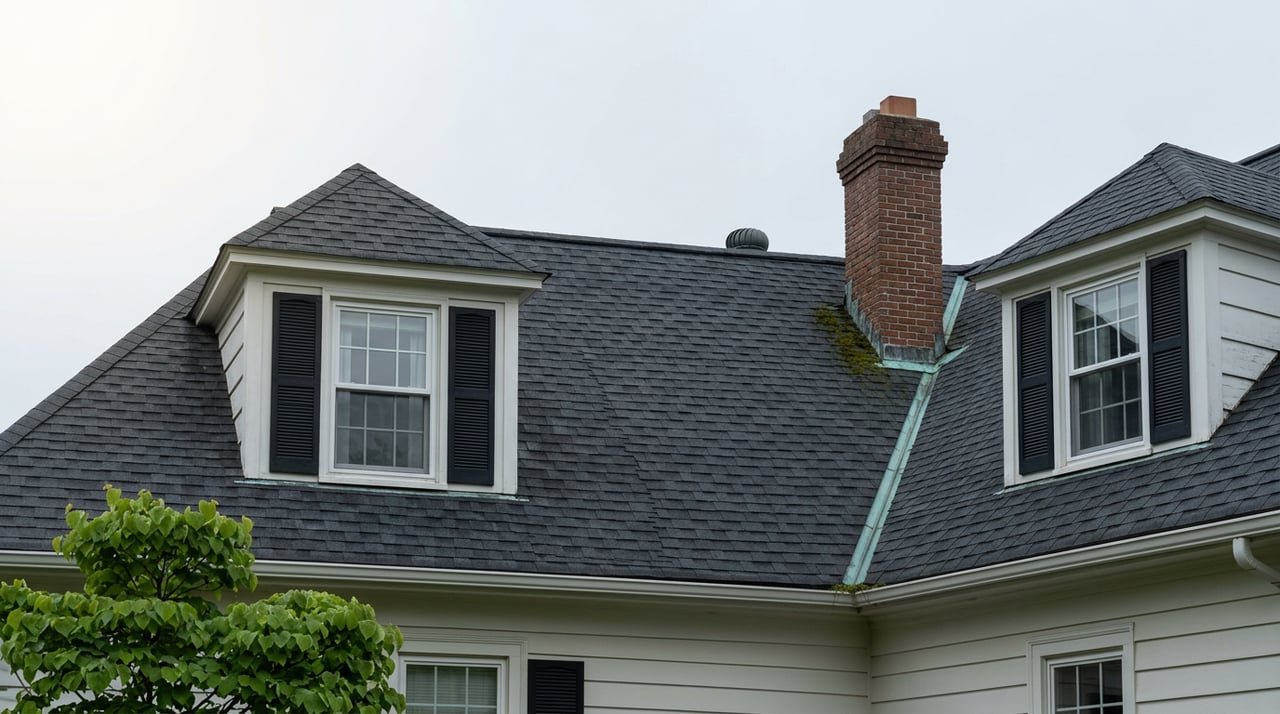
- Dormer: A windowed structure projecting from a sloped roof.
- Turret: A small tower often found on Queen Anne homes.
- Parlor: A formal front living room.
- Mudroom: A transitional entry for shoes and coats.
Your next steps
Start by clarifying your must-haves: period detail, layout flexibility, lot size, commute access, and renovation appetite. Then tour by village to see how style and setting change from street to street. As you narrow your list, line up due diligence on systems, drainage, and any preservation requirements so you can move with confidence when the right home appears.
Ready to find the Newton home style that truly fits? Connect with Allison Blank & Company for local guidance on neighborhoods, architecture, and a smart plan to win the right house.
FAQs
What are the most common Newton home styles?
- Colonial Revival, Victorian, Tudor Revival, Shingle, Craftsman and bungalows, American Foursquare, and mid-century ranches and split-levels are all common.
How do Victorian layouts differ from modern plans?
- Victorians often have formal parlors and compartmentalized rooms, while modern plans favor open kitchens and family rooms that may require thoughtful reconfiguration.
Do I need approval to change windows in a historic area?
- In local historic districts, exterior changes like windows may require review by the City or a Historic District Commission, so contact them early.
Which styles are easiest to modernize mechanically?
- Mid-century homes and newer infill typically have simpler systems, but well-updated Colonials and Foursquares can also be straightforward to improve.
What renovation issues are common in older Newton homes?
- Expect potential lead paint, older electrical like knob-and-tube, aging boilers, possible asbestos, foundation mortar wear, and single-pane windows.
Where should I focus if I want larger lots?
- You will often find larger lots in parts of Chestnut Hill, Waban, and some neighborhoods of Newton Centre and Auburndale, though lot sizes vary street by street.