Is your next chapter about more space, a bigger yard, and a smoother daily routine, but you are not sure which Newton village fits best? You are not alone. Newton offers 13 distinct villages, each with its own feel, commute options, and housing styles, which can make the choice both exciting and complex. In this guide you will learn a simple framework to match lifestyle, schools, commute, and budget to the right village, with trusted resources to check details in real time. Let’s dive in.
How to choose your village
Start with a clear set of priorities:
- Housing needs: bedrooms, yard size, parking, and preferred architectural style.
- School access: check the exact address for elementary and high school assignment.
- Commute: preferred mode and maximum door-to-door time.
- Walkability and amenities: village center access, parks, and kid-focused routines.
- Budget fit: premium, mid-market, or value within Newton.
Newton is often described as a city of villages, including Newton Centre, Waban, West Newton, Newton Highlands, Auburndale, Nonantum, Oak Hill, Newton Corner, Newtonville, Upper Falls, Lower Falls, and the Newton portion of Chestnut Hill. Each functions like a local town center with its own character and market dynamics. You can explore village overviews through the City of Newton’s neighborhood pages for a sense of layout and feel before touring in person. Visit the City of Newton’s neighborhoods guide for context on each area.
Premium villages
These areas tend to offer larger lots, classic architecture, and highly walkable centers. They sit at the upper price tier within Newton.
Newton Centre, Waban, Chestnut Hill
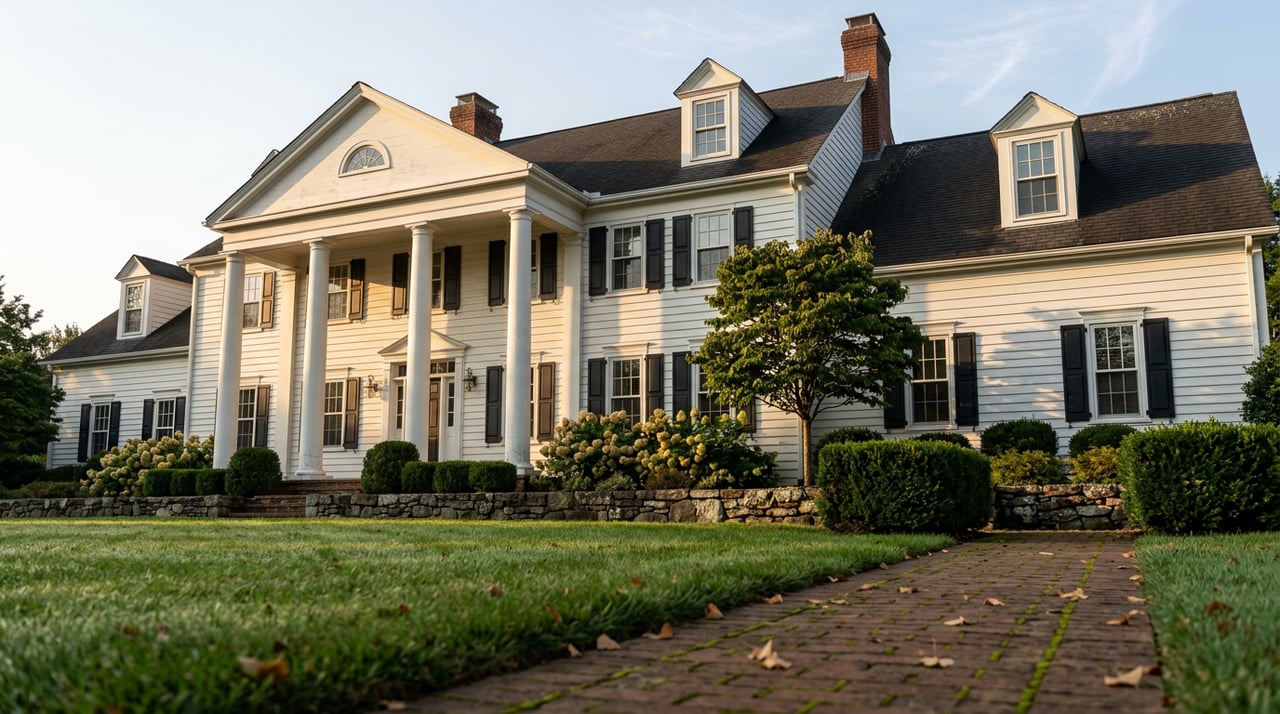
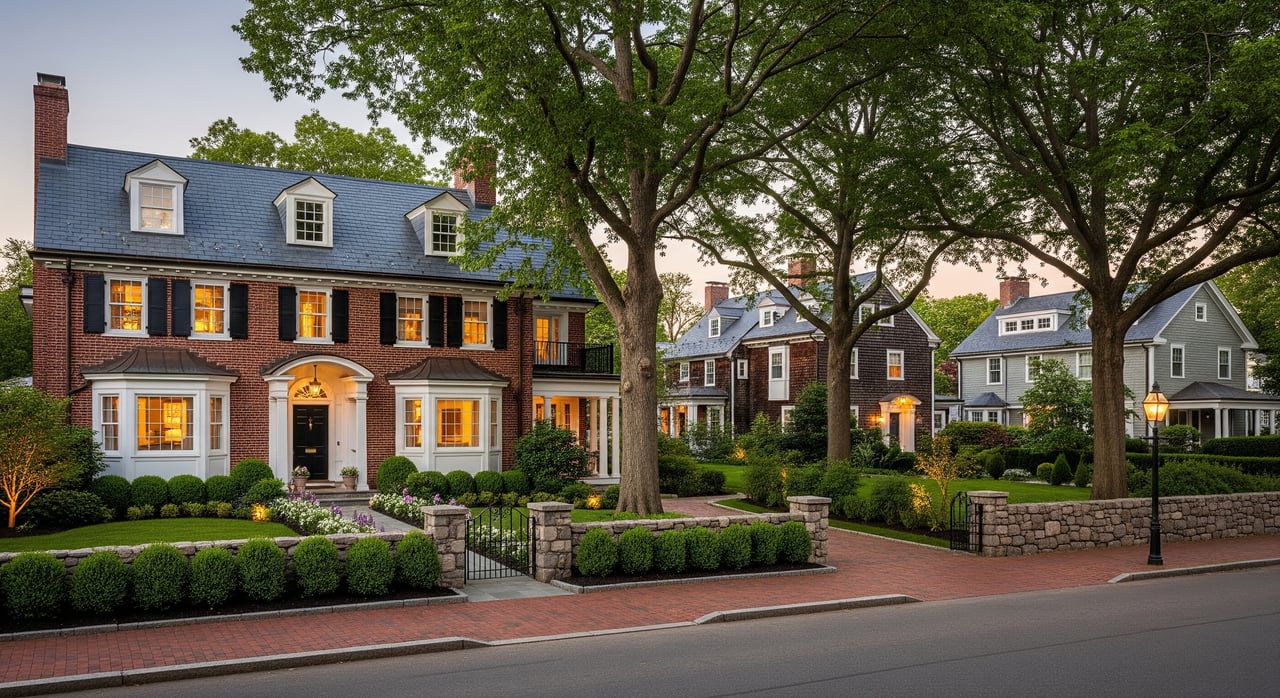
You will see substantial turn-of-the-century Colonials, Tudors, and Victorians, along with thoughtfully renovated homes and select new construction. Streets are tree-lined, and village centers are lively with cafes and daily conveniences. Proximity to the Green Line D branch is a key advantage for commuters headed to Back Bay or Longwood.
Pockets of West Newton and Thompsonville
Certain streets in West Newton and Thompsonville share the premium profile, with larger homes and access to dining and services nearby. Inventory is often single-family, with limited but notable new builds where lots allow. If you value architectural detail and a short village stroll, put these on your tour list.
Mid-market villages
These villages balance space, access, and value within Newton’s context. Housing ranges from early 20th-century homes to midcentury ranches, with more frequent opportunities for renovation or additions.
Newton Highlands and Auburndale
Both areas have appealing village centers and transit access. Highlands benefits from Green Line D proximity. Auburndale has commuter rail access and a welcoming main street feel. You will find a mix of single-family homes, some 2-3 families, and townhouses.
Newton Corner and Newtonville
These locations offer quick access to I-90 and Route 9, with neighborhood retail and parks close by. Many buyers appreciate the blend of older homes and updated properties. Prices typically sit in Newton’s mid-range, with strong demand for renovated listings.
Value and renovation villages
If you want more house for your money within Newton, these areas can present lower entry points and more renovation potential. Expect more varied housing stock and lot sizes.
Nonantum and Oak Hill
Smaller single-family homes and older multi-family properties are common. Buyers willing to update or expand often find opportunity here. Village conveniences and community amenities support day-to-day living while you plan improvements.
Upper Falls and Lower Falls
Parts of the Falls offer access to parks and the Charles River corridor, along with a wider range of housing types. You may see rebuild or addition potential, but always confirm local rules before you plan a larger project.
Walkability and daily life
Walkability varies by village. Newton Centre, Newton Highlands, West Newton, Auburndale, Chestnut Hill’s commercial areas, and parts of Nonantum offer strong village-center access to shops, dining, and services. For address-level walk scores, use Walk Score’s neighborhood search and note that scores often drop farther from the center.
Family-friendly amenities are a major draw. Proximity to parks, playgrounds, and destinations like Crystal Lake can shape your routine. Think about daycare and after-school logistics, parking near schools, and how you move between activities on busy weekdays.
Commute options and times
The Green Line D branch serves central villages like Newton Centre, Waban, and Newton Highlands. Typical travel to Back Bay or nearby stations is often 25 to 40 minutes depending on station, time of day, and transfers. The MBTA commuter rail on the Framingham-Worcester line stops in Auburndale and West Newton, with express runs to South Station often in the 20 to 30 minute range. Check maps and schedules on the MBTA site before you finalize your plan.
Driving times vary by route and traffic. Access to Route 9, I-90, and I-95/Route 128 can make a tangible difference in your commute. Peak-hour driving to downtown Boston can range from about 25 to 45 minutes or more, so test routes during the times you plan to travel.
Schools and boundaries
Newton Public Schools is a single district with neighborhood elementary schools that feed into two comprehensive high schools, Newton North and Newton South. The district is frequently rated highly for academics and programs, but assignments depend on your exact address. Always verify the current elementary and high school assignment on Newton Public Schools and review school profiles on the Massachusetts Department of Elementary and Secondary Education.
There is no simple village-to-school rule that applies citywide. Boundaries can shift, and exceptions exist. If schools are a top priority for your move, confirm assignments early and plan tour times around pickup and drop-off to see the traffic flow in action.
Brookline and Chestnut Hill
Brookline sits just east of Newton and offers a more urban feel in core neighborhoods with very strong transit coverage. It can match or exceed Newton’s price points in prime areas, with smaller lot sizes and highly walkable centers like Coolidge Corner and Brookline Village. For local context and services, consult the Town of Brookline’s official site.
Chestnut Hill overlaps Newton, Brookline, and Boston. On the Newton side, you will find high-end single-family homes, larger lots in some pockets, and top retail at The Street and Chestnut Hill Square. It is often grouped with Newton’s premium villages due to lifestyle and price profile. Be clear on municipal boundaries when comparing listings labeled “Chestnut Hill.”
Market context and timing
Inventory across Greater Boston has been tight in recent years, with demand from families staying strong in Newton thanks to village centers and school access. Conditions have shifted with mortgage rate changes, so lean on live data for pricing and speed-to-pending. Check Newton’s current stats on Redfin and Zillow to understand trends before you write an offer.
If you plan to expand or rebuild, confirm what is allowed for the specific address. Zoning, lot size, and historic district rules can limit teardowns or additions. The City of Newton’s planning and historic resources are the best place to start your due diligence.
Tour checklist for buyers
- Map your commute: look up Green Line or commuter rail times and test-drive peak routes.
- Verify schools: confirm address-based assignments and review DESE profiles.
- Walkability: tour the village center at school pickup time and weekend mornings.
- Lot and layout: measure yard usability and note potential expansion areas.
- Renovation rules: check zoning and historic guidelines before budgeting for a project.
- Market pulse: review recent Newton sales and time-on-market patterns.
Next steps with our team
Choosing between Newton Centre’s classic streets, Waban’s Green Line access, or the Falls’ renovation potential comes down to the right tradeoffs for your family. You deserve a calm, evidence-based process that balances space, schools, walkability, and commute. If you want a clear plan, curated tours, and vendor support for staging or renovations, connect with Allison Blank & Company. We will help you validate school assignments, model commute times, and assess expansion potential so you can buy with confidence.
FAQs
Which Newton village is best for schools?
- School quality varies by specific school, and assignments are address-based, so verify the exact address with the district before comparing options.
How long is the commute from a Green Line village?
- Many Green Line D branch riders see about 25 to 40 minutes to central Boston, depending on the station, time of day, and transfers.
Where can I find larger lots in Newton?
- Larger lots are more common in parts of Waban, Newton Centre, and Chestnut Hill, with select pockets in West Newton and Thompsonville.
Which villages offer more value for renovation?
- Nonantum, Oak Hill, and parts of Upper and Lower Falls often provide comparatively lower entry points and more renovation potential within Newton.
How do I confirm if I can expand or rebuild?
- Check local zoning and any historic district guidelines for the property’s exact address before you plan additions, teardowns, or major exterior changes.