Thinking about trading your Boston address for more space in Newton? You are not alone. Many professionals and households reach a point where they want a yard, a quieter street, and an easy commute without losing access to city amenities. This guide gives you a repeatable market tour plan, a village shortlisting method, and on-the-ground tests so you can move with confidence. Let’s dive in.
Why Boston buyers choose Newton
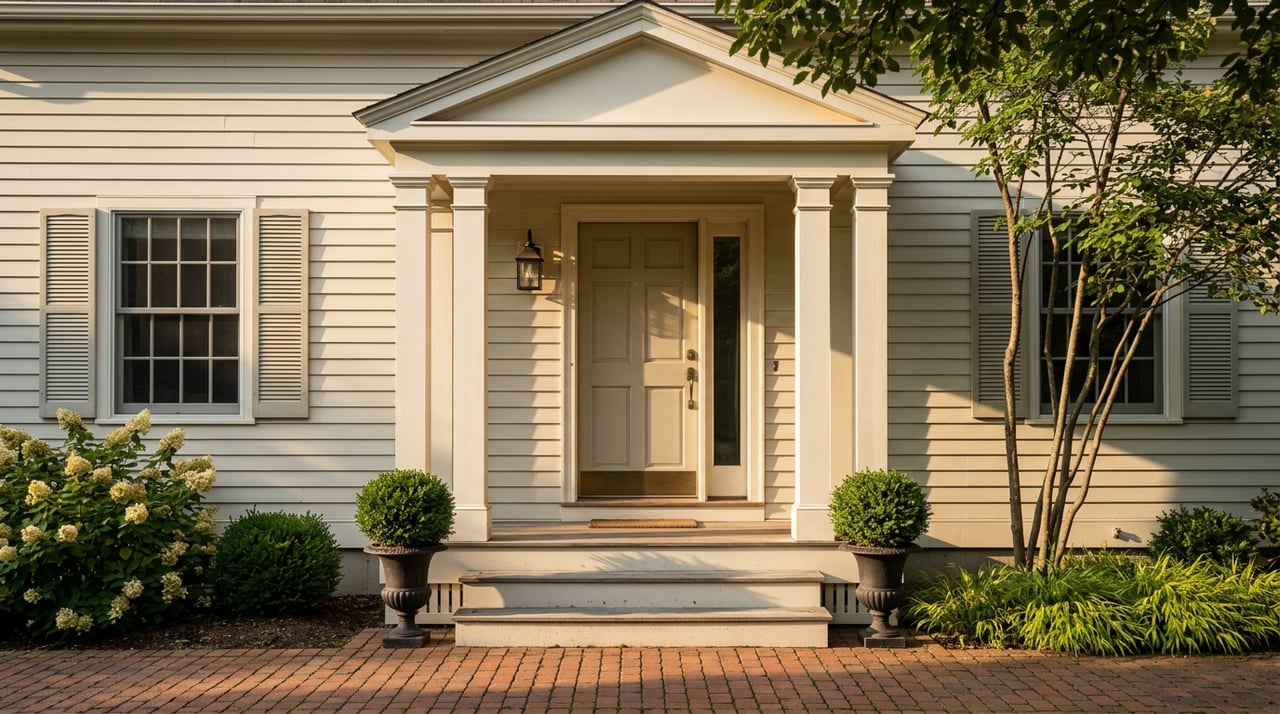
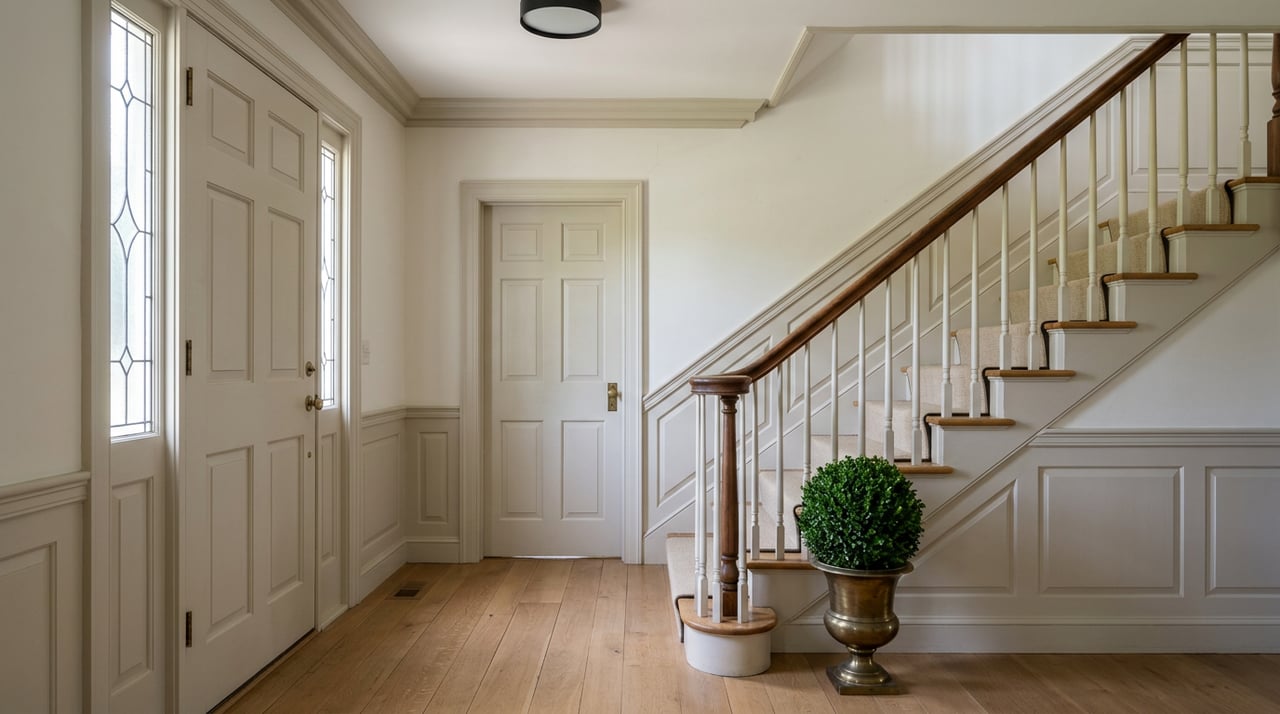
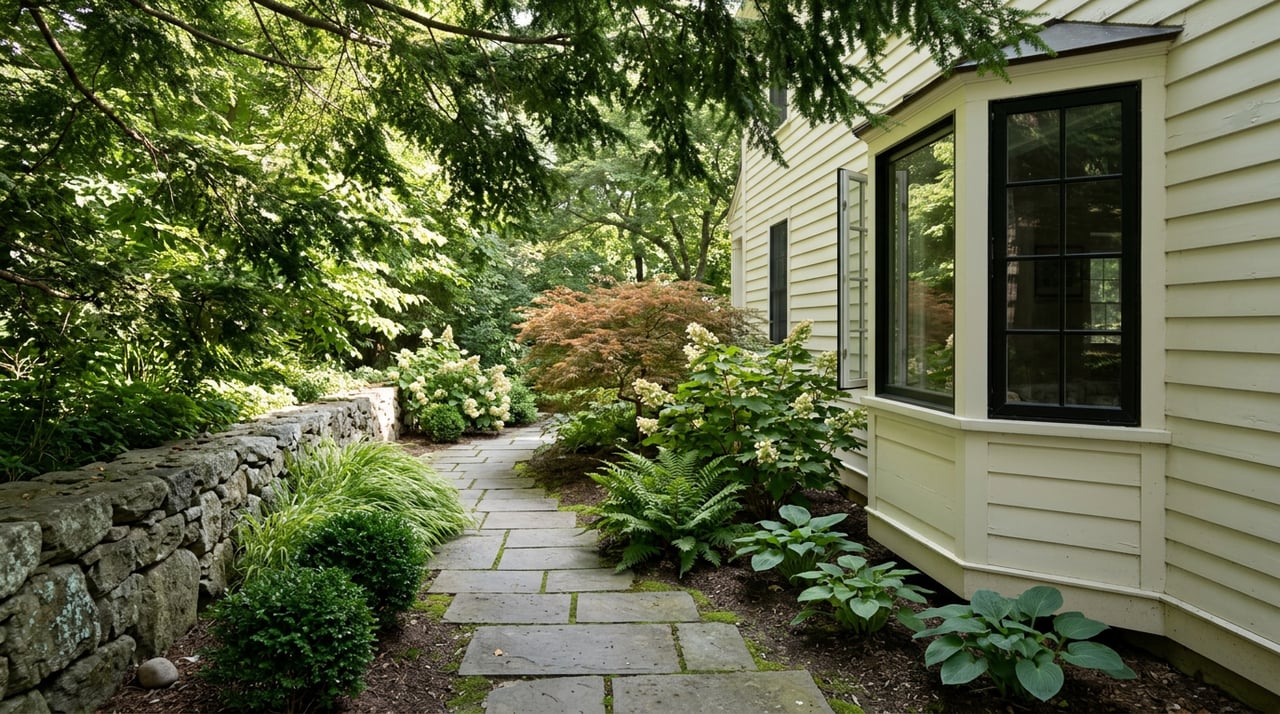
Newton sits just west of Boston, typically 7 to 10 miles from downtown depending on the village. It offers a suburban feel with local village centers and a range of housing, from historic single-family homes to select condo developments. The city’s older housing stock often means character-rich architecture and, in some cases, renovation opportunities. Explore the municipal layout and services on the City of Newton website.
Commuting can be straightforward from many parts of Newton. Several villages have MBTA Green Line access, others are near commuter rail, and all are within reach of I-90 and Route 128. For transit options and schedules, review MBTA maps and schedules, then test the routes that match your routine.
When you evaluate costs, look beyond the list price. Newton’s higher home values can translate into higher property tax bills in absolute dollars, even if tax rates are comparable to other municipalities. Be sure to calculate total carrying costs, including taxes, insurance, utilities, and maintenance.
What to cover on your market tour
Commute and transportation
- Identify which villages have Green Line stops, commuter rail access, or express bus options. Use MBTA maps and schedules to plan.
- Drive your actual rush-hour route and time it, then try your preferred transit option. Note parking availability near stations.
- Understand highway access points and typical bottlenecks. For regional traffic context, consult MassDOT.
Schools and childcare
- Confirm current school assignments for specific addresses through Newton Public Schools and check official report cards on the Massachusetts DESE profiles.
- If private or parochial schools are part of your plan, map commute times and after-school logistics.
- For childcare, ask about waitlists and program hours near your target villages.
Housing types and inventory
- Expect a strong presence of single-family homes with a mix of older architectural styles. Some villages offer more condo choices than others.
- Decide whether you want move-in ready or renovation potential. Older homes may require modernization; timing for permits varies by project scope.
- Ask your agent for an MLS snapshot showing inventory levels, days on market, and list-to-sale price ratios by village.
Village lifestyle and amenities
- Walk the village centers to assess coffee, dining, grocery, library access, and parks.
- Visit at different times of day to understand evening activity and noise patterns.
- Note access to the Charles River paths and local recreation programs on the City of Newton site.
Pricing patterns and timing
- Newton often carries a premium due to its housing mix and commuter convenience. Review up-to-date trends through regional reports such as GBAR market data, then pair with MLS comps for your target villages.
- Seasonality can influence competition, especially in spring. Well-priced listings can move quickly year-round.
Regulations, inspections, and permits
- Plan for standard contingencies, including home inspection and financing.
- If you anticipate renovations, review local permitting guidelines and historic-district considerations on the City of Newton site.
Parking and daily logistics
- Check driveway and garage availability and any street parking rules.
- If you plan to commute by rail, review parking regulations near stations through the MBTA.
How to shortlist Newton villages
Use a simple, repeatable method to narrow your options:
- Define non-negotiables: door-to-desk commute time, school requirements, minimum bedrooms and lot size, budget ceiling, and lifestyle preferences like walkability or yard size.
- Map commute-time isochrones for car and transit around workplaces, then overlay school zones and MLS boundaries.
- Filter active inventory by property type and price. Track days on market and list-to-sale ratios by village.
- Create a short tour of 4 to 8 villages: include both top candidates and a few comparison options.
- Visit at varied times, including a weekday morning commute and a weekend midday, and run a live commute test.
Quick profiles of Newton villages
Every village has distinct characteristics. Confirm village boundaries with official maps and verify school assignments through Newton Public Schools before you focus on a specific street.
- Newton Centre
- Traditional village center with shops and dining, plus Green Line access. A mix of single-family homes and condos creates varied options.
- Walkable village feel with services nearby.
- Newton Highlands
- Smaller village center with restaurants and Green Line access. Primarily single-family homes with some smaller condo buildings.
- Quiet residential streets close to amenities.
- West Newton
- Access to the commuter rail and an active retail area. Housing includes condos, multi-families, and single-family homes.
- Good option for rail commuters to Back Bay and downtown stops.
- Newtonville
- Commercial corridor, shops, services, and commuter rail access. A mix of older homes, multi-family buildings, and condos.
- Walkable area with local conveniences.
- Waban
- Residential streets with Green Line access. Larger single-family homes and notable historic architecture in some areas.
- Quiet setting and neighborhood-scale village center.
- Auburndale
- Suburban feel with access to river paths in parts of the village. Primarily single-family homes with some newer infill.
- Options for buyers who value yard space and quieter streets.
- Upper Falls and Lower Falls
- Distinct village centers near the Charles River with varied housing stock, including historic homes.
- Convenient for certain commutes, depending on your workplace location.
- Chestnut Hill (partly in Newton)
- Proximity to higher-end retail and institutional anchors. Inventory includes single-family homes and some townhomes and condos.
- Premium pricing in many pockets, with diverse amenities nearby.
A practical 3-week tour plan
Here is a decision-ready schedule you can adapt to your timeline.
- Weeks 0–1: Pre-tour prep
- Get a lender pre-approval.
- Align with your agent on non-negotiables and a target village list.
- Pull relevant comps and current inventory in each village.
- Week 1: First market tour, 4–6 hours
- Visit 4–6 villages and 6–8 sample properties across types and price points.
- Work in both private showings and open houses for comparison.
- Week 2: Deeper visits and commute testing
- Revisit your top 2–3 villages at different times of day, including a rush-hour commute test.
- If appropriate, visit neighborhood schools or review resources from DESE and Newton Public Schools.
- Week 3: Underwriting and offer prep
- Finalize strategy, contingencies, and timing. Prepare earnest money and any appraisal buffers.
- Weeks 4–8: Negotiation, inspection, closing
- Build in time for inspection negotiations and lender processes if your offer is accepted.
Your on-the-ground checklist
- Transit and commute: run a real rush-hour commute from a candidate property to your workplace, by car and by transit.
- Noise and environment: sample street, interior, and backyard noise in daytime and evening.
- Walkability and services: locate grocery, pharmacy, coffee, library hours, parks, and community programs.
- Parking and street rules: verify driveway or garage, curbside rules, and snow removal patterns.
- Lot and light: check sun exposure, privacy, and any nearby floodplain considerations near the river.
- Schools and childcare: observe pick-up and drop-off patterns and aftercare options when possible.
- Condition and projects: note visible maintenance items and discuss renovation scope and permit timelines.
- Nighttime visit: return after dark to assess lighting and activity.
Smart questions to ask your agent
- How many homes sold in this village over the last 6 months, and what were the list-to-sale price ratios?
- How does demand for single-family homes compare with condos here right now?
- What development or infrastructure projects are planned nearby?
- What are typical seller expectations on repairs and timelines in this village?
- Are there any municipal updates that could affect the property or street?
What to bring to each tour
- Current lender pre-approval and proof of funds if a cash offer is possible.
- A short written priority list for each decision-maker.
- Village-specific comps, a live MLS search, and school-zone maps.
What to expect when you write offers
Typical Massachusetts contingencies include home inspection, financing, and title review. In a competitive situation, timelines and earnest money expectations may tighten. Ask your agent to share current trend data and neighborhood comps, then tailor your strategy to the property and village. For up-to-date market context across Greater Boston, review GBAR market data alongside the latest MLS activity in your target area.
Ready to plan your move from Boston to Newton? Let’s make your time in the market count. If you want a structured plan, a clear shortlist, and confident steps from tour to offer, connect with Allison Blank & Company. We will help you build a data-informed, neighborhood-focused plan that fits your goals.
FAQs
How do Newton commute times compare to Boston?
- It varies by village and mode. Some areas with Green Line or commuter rail access offer similar or faster trips to Back Bay, while others require longer drives. Always run a live commute test on your schedule using MBTA maps and schedules and check traffic patterns through MassDOT.
Will moving to Newton lower my total housing costs?
- Not always. Purchase prices for single-family homes and absolute property tax bills can be higher than many Boston neighborhoods. Compare total monthly costs, including taxes, insurance, utilities, and maintenance, using MLS comps and your lender’s estimates.
How much time should I spend on a market tour before offering?
- Many decision-ready buyers do 1 to 3 rounds over 1 to 3 weeks: a broad orientation, then commute testing and re-visits. Be ready to act quickly when a home meets your non-negotiables.
Are school assignments guaranteed by address in Newton?
- Assignments are address-based but can vary by street and may change over time. Always verify with Newton Public Schools and review official DESE profiles before making assumptions.
What contingencies are typical in Newton offers?
- Home inspection, financing, and title review are common. In competitive situations, timelines or earnest money can tighten. Consult your agent for current norms in your target village.
Should I consider condos instead of a single-family home?
- Condos can offer a lower entry price and reduced maintenance, while single-family homes provide a yard and more privacy. Choose the path that best fits your budget, lifestyle, and long-term plans.