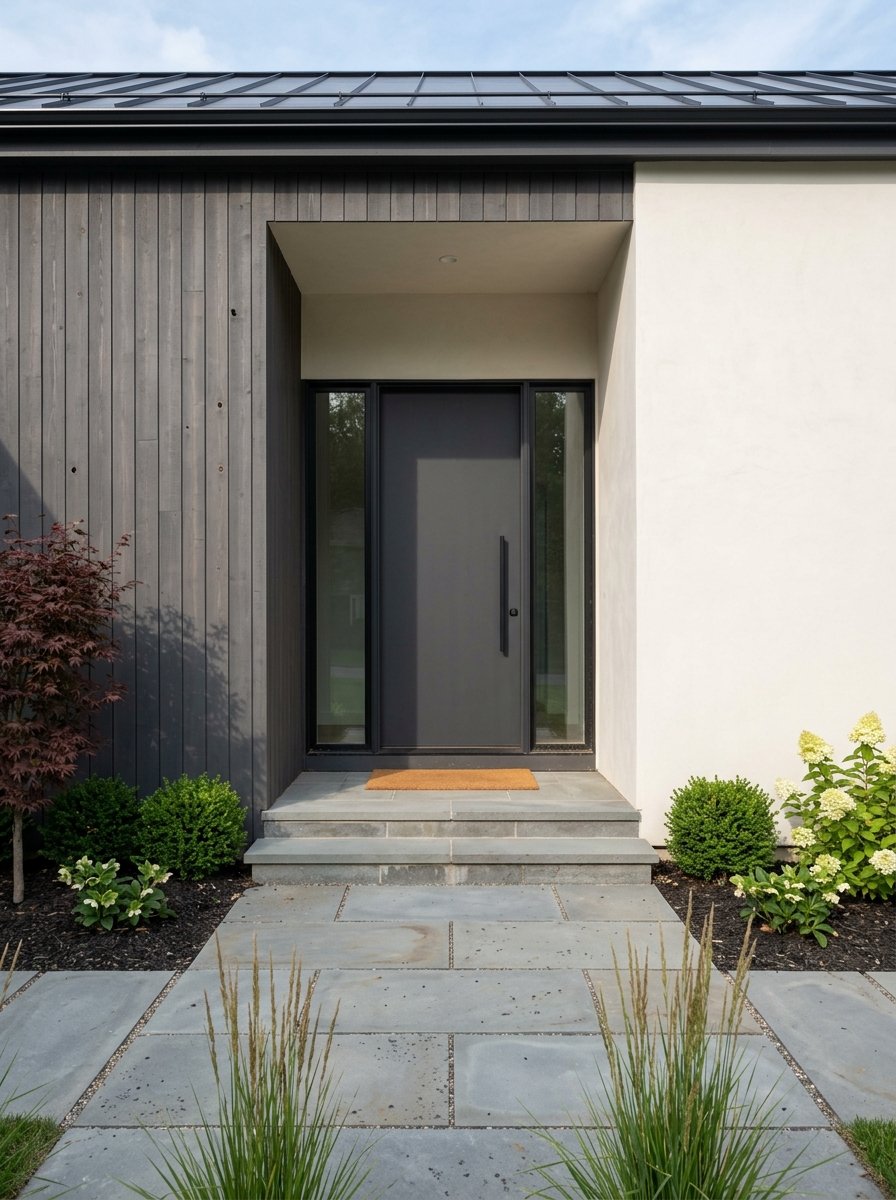
Thinking about new construction in Chestnut Hill or Newton? It is easy to focus on the glossy finishes and dramatic listing photos, but in this market, what happens before a home hits the market often matters just as much. If you are buying, building, or weighing a major renovation, understanding local pricing, design expectations, and approval hurdles can help you make sharper decisions. Let’s dive in.
Price expectations in Chestnut Hill and Newton
New construction in Newton starts from an already high baseline. The City of Newton’s FY2026 classification hearing materials report a 2024 median single-family sale price of $1.75 million, and Redfin reported a March 2026 median sale price of $1.45 million with homes going pending in about 24 days.
Chestnut Hill typically sits above that citywide range. Current listing examples include new-construction and newly renovated homes priced around $2.495 million, $2.699 million, $2.799 million, and $3.625 million, with a recent top-to-bottom renovation closing at $3.325 million.
If you look beyond entry luxury, the ceiling rises fast. Nearby examples in Newton include completed new builds at $3.5 million, $4.5 million, and $4.85 million. That tells you something important: premium detached homes in the Chestnut Hill and Newton orbit often trade well into the upper $3 million to mid $4 million range when the lot, scale, and finish level line up.
What drives value beyond square footage
In this part of the market, price per square foot is only part of the story. Recent premium examples ranged from about $587 per square foot to $771 per square foot.
That spread shows how much buyers respond to execution. Lot position, overall design, street presence, and how well the home fits its surroundings can move value substantially. Two homes with similar square footage may perform very differently if one feels more thoughtfully placed, better finished, or more aligned with the neighborhood setting.
Design trends buyers are seeing now
Classic context still matters
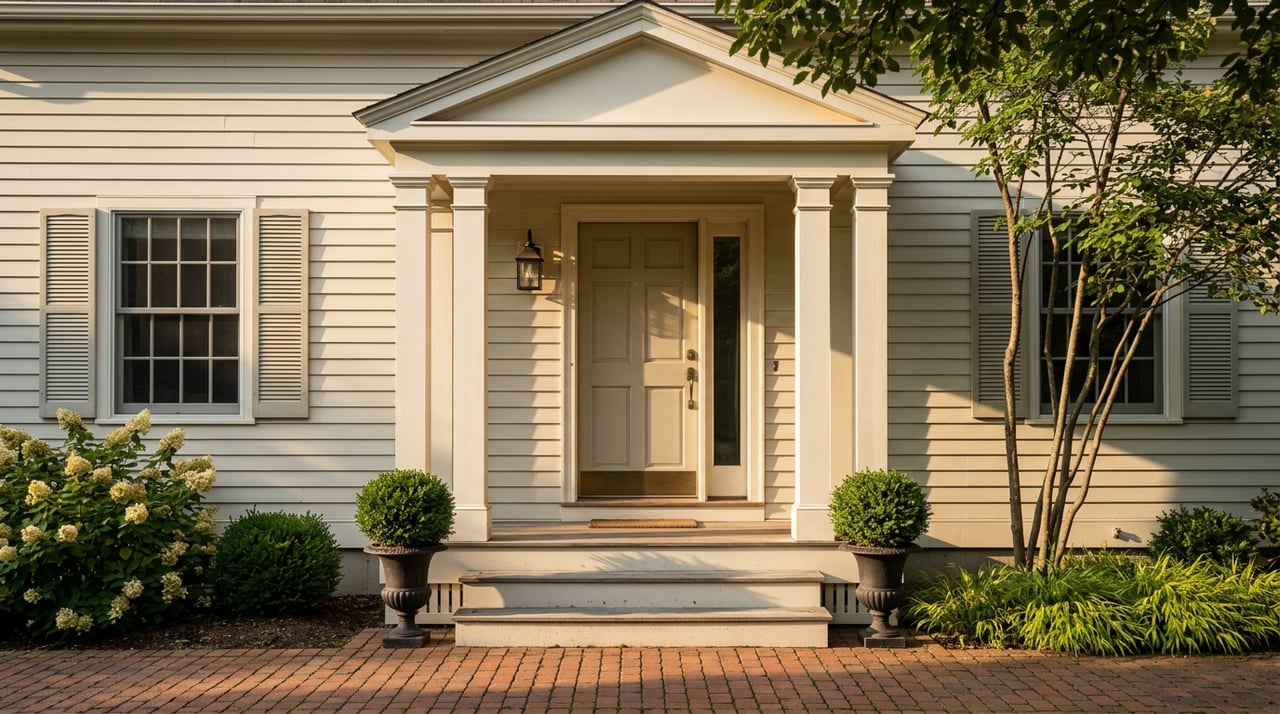
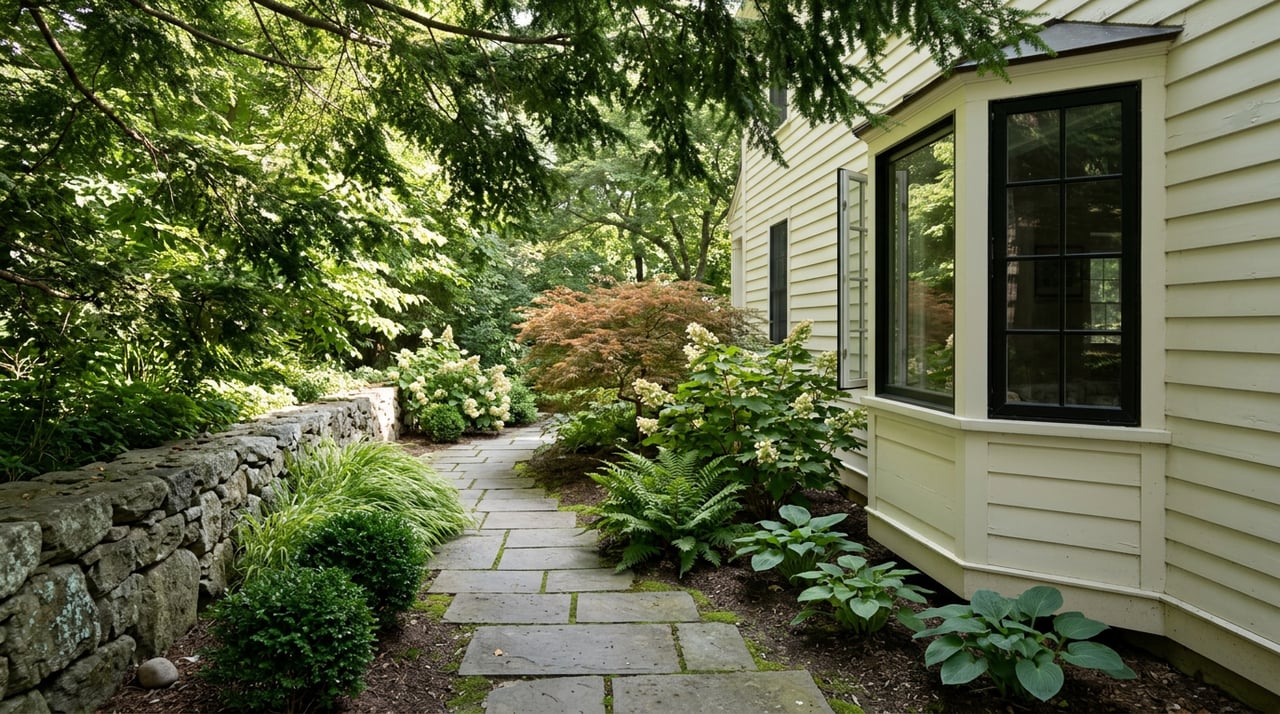
Chestnut Hill has a strong architectural identity. Newton describes the Chestnut Hill district as an architecturally important historic neighborhood with large landscaped lots, homes shaped by topography, and streetscapes influenced by the terrain. Colonial Revival, Georgian Revival, and Shingle styles are common reference points.
That does not mean every new home looks traditional. It does mean that homes often perform best when they respect the scale, siting, and visual rhythm of the area. In a premium market, buyers tend to notice when a house feels intentional rather than generic.
Interiors lean luxury and functional
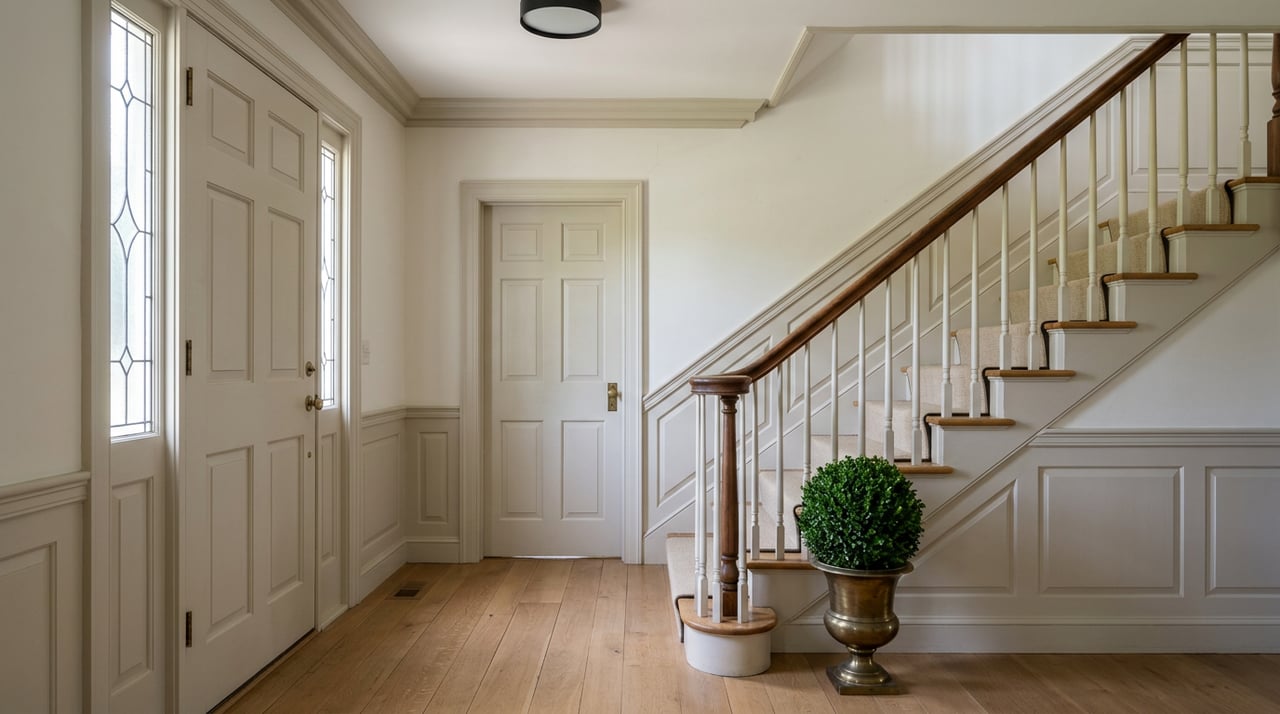
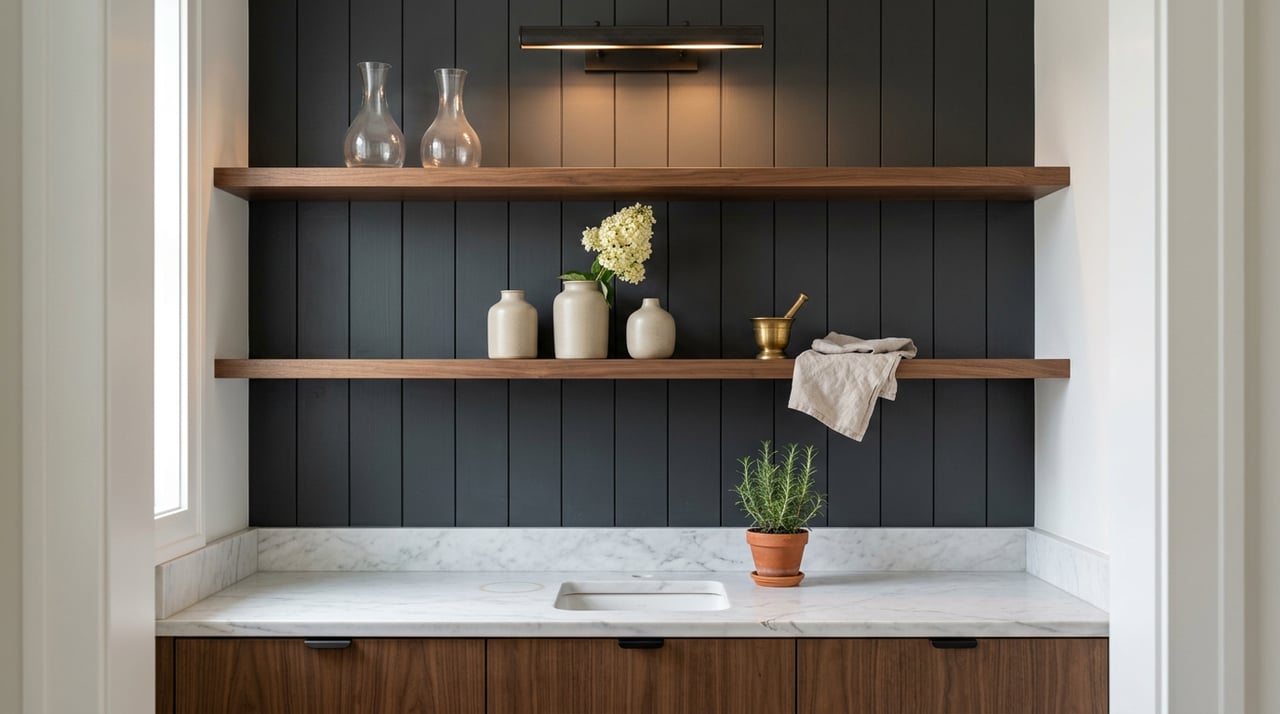
Current listing inventory shows a fairly consistent luxury formula. You are likely to see open first floors, 10-foot ceilings, wide-plank white oak flooring, chef’s kitchens with custom cabinetry and stone counters, walk-in pantries or sculleries, mudrooms, offices or flex rooms, finished lower levels, and upper-level bonus spaces.
Many properties also include smart-home features, roof decks, and garage or EV-ready infrastructure. For buyers, that means new construction here is usually expected to feel turnkey, polished, and ready for modern daily life.
All-electric systems are becoming standard
One of the biggest shifts is behind the walls. Newton says all new construction and major renovation projects must use electricity instead of fossil fuels for heating, cooling, cooking, and clothes drying, with electric or thermal-solar hot water.
The city also says major renovations and additions over 1,000 square feet can no longer include natural-gas cooking as of January 1, 2026, and complete building permit applications received after January 1, 2024 are subject to the Specialized Code. In practical terms, you should expect more heat pumps, induction-ready kitchens, and higher-efficiency building envelopes in new projects.
Why feasibility matters so much
In Chestnut Hill and Newton, new construction is rarely just a design exercise. Local rules can shape the size, massing, timeline, and even whether a project works as planned.
That is why early feasibility work matters so much. For buyers, it helps you understand what you are paying for. For owners and small developers, it can help you avoid costly surprises before plans are finalized.
FAR shapes size and scope
Newton uses floor area ratio, or FAR, to regulate gross floor area. The city says FAR works alongside minimum lot size, setbacks, height and story limits, lot coverage, and open-space requirements.
There is also a possible 0.02 FAR bonus for some lots created before 1954 if setback and nonconformity conditions are met. The key takeaway is simple: even if a lot looks large enough for a bigger house, zoning math may tell a different story.
Front elevation limits affect massing
As of March 1, 2026, Newton caps the width of the residential front elevation at 60 percent of lot frontage for detached single-family and two-family homes. Lots with 50 feet or less of frontage and some 1.5-story buildings are exempt, and a special permit may allow a wider front elevation.
This rule matters because it directly affects how a home presents from the street. If you are evaluating plans or comparing properties, the façade may reflect not just design preference but also compliance strategy.
Historic review can change the timeline
Parcel-level status matters in Chestnut Hill
Newton notes that the local historic district does not cover the entire village of Chestnut Hill. That means one property may move through review very differently from another just a few streets away.
If a home is in one of Newton’s local historic districts, exterior changes and site work are subject to Historic District Commission review. That can include driveways, walkways, hardscaping, windows, siding, and other exterior elements that buyers or builders might otherwise assume are straightforward.
Older homes can trigger demolition delay
Newton also says any building more than 50 years old is subject to historic review for exterior alterations. Partial or full demolition can trigger a demolition delay of 12 or 18 months, depending on historic status.
Partial demolition includes removing 50 percent or more of a roof or exterior wall. If you are planning a major renovation instead of a ground-up build, this is one of the most important timing issues to understand early.
Site work can add cost quickly
Two practical issues often affect budgets and schedules. First, Newton requires a tree permit for removal of trees with trunk diameters of 6 inches or greater and for any exterior construction work.
Second, the city’s DPW says Ordinance B-42 can require sewer, water-service pipe, and sidewalk or curb replacement when a project meets the 50 percent threshold. These are not always the headline items in a project budget, but they can materially affect total cost and timing.
What buyers should watch for
If you are shopping for new construction in Chestnut Hill or Newton, the best opportunities usually balance three things: design, location, and execution. A beautiful kitchen is great, but it is only part of the package.
As you compare homes, pay close attention to:
- Whether the architecture feels well matched to the lot and street
- The quality of the floor plan, not just the room count
- Electric systems and efficiency features
- Finished lower-level and flex-space usability
- Outdoor layout, parking, and driveway configuration
- Overall fit and finish from cabinetry to millwork to lighting
In this market, thoughtful planning often translates into stronger long-term appeal.
What sellers and small developers should expect
For owners considering a rebuild or major renovation, and for small developers evaluating a project, the premium pricing in Chestnut Hill and Newton is attractive. But premium resale usually depends on more than luxury finishes.
The strongest outcomes tend to come from homes that pair polished interiors with strong architecture, modern systems, and a design that suits the setting. The local market has shown that buyers will pay for that combination, with recent renovated and new homes in Chestnut Hill and Newton selling from roughly $3.3 million to $4.9 million.
That said, the highest-friction issues are often zoning, FAR, façade-width limits, historic review, demolition-delay risk, tree rules, utility replacement, and all-electric code requirements. The more carefully those issues are handled up front, the better positioned a project may be when it reaches the market.
The bottom line on new construction
New construction in Chestnut Hill and Newton can offer exceptional quality and strong resale potential, but it is a market where details matter. Price, design, approvals, and infrastructure all play a role in what gets built and how it performs.
If you are buying, you want to look beyond finishes and understand the full value story. If you are selling, rebuilding, or planning a premium project, preparation can make a meaningful difference in both timeline and outcome. When you know what to expect, you can move forward with more confidence.
If you are planning your next move in Chestnut Hill or Newton, working with a team that understands premium housing, local market dynamics, and new-construction positioning can help you make smarter decisions from the start. To start your Newton or Brookline market plan, connect with Allison Blank.
FAQs
What price range should you expect for new construction in Chestnut Hill and Newton?
- Current examples in Chestnut Hill start around $2.495 million and move into the mid $3 million range, while premium new builds in the broader Newton area have reached roughly $3.5 million to $4.85 million.
What design features are common in Chestnut Hill and Newton new construction?
- Many homes include open layouts, 10-foot ceilings, wide-plank white oak floors, custom kitchens, walk-in pantries or sculleries, mudrooms, offices, finished lower levels, bonus spaces, and smart-home or EV-ready features.
What should you know about Newton’s all-electric building rules?
- Newton says new construction and major renovations must use electricity instead of fossil fuels for heating, cooling, cooking, and clothes drying, so buyers should expect more heat pumps and induction-ready kitchens.
How do historic rules affect Chestnut Hill and Newton renovation projects?
- Properties in local historic districts may need Historic District Commission review for exterior and site changes, and older buildings can face historic review and possible demolition delays if work is extensive.
Why is feasibility so important for new construction in Newton?
- Newton projects are often shaped by FAR, setbacks, height limits, façade-width rules, tree requirements, and possible utility replacement obligations, so early planning is often critical to cost, design, and timeline.