If you have ever driven through Belmont and thought, "These homes all feel distinctive, but not the same," you are seeing the town exactly as it is. Belmont’s housing stock is layered, historic, and varied, which can make the home search exciting and a little harder to decode at first. This guide will help you understand Belmont’s signature home styles, how they tend to function for daily life today, and what to keep in mind if you are thinking about updates or long-term fit. Let’s dive in.
Why Belmont Feels So Architecturally Rich
Belmont often refers to itself as the "Town of Homes," and that identity shows up clearly in its housing stock. The town’s historic resources survey identified nine areas with distinctive historic character, and its architectural record spans styles from early traditional forms to modern and pre-fab houses.
That variety matters because Belmont is not a one-style market. Nearly 60% of the town’s homes were built before 1940, only a little over 6% were built since 2000, and about 67% of ownership units are detached single-family homes. For you as a buyer, that usually means more architectural personality, more design decisions to weigh, and more variation in how homes live from one street to the next.
Colonial Revival Homes in Belmont
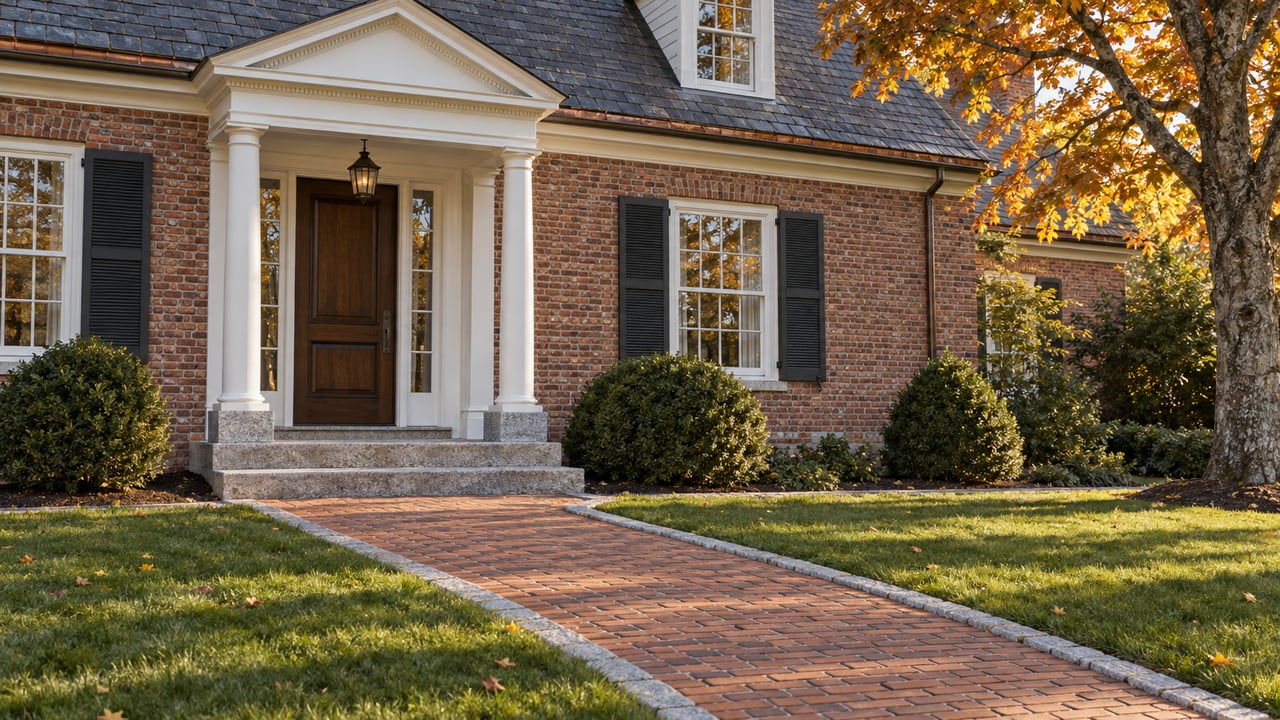
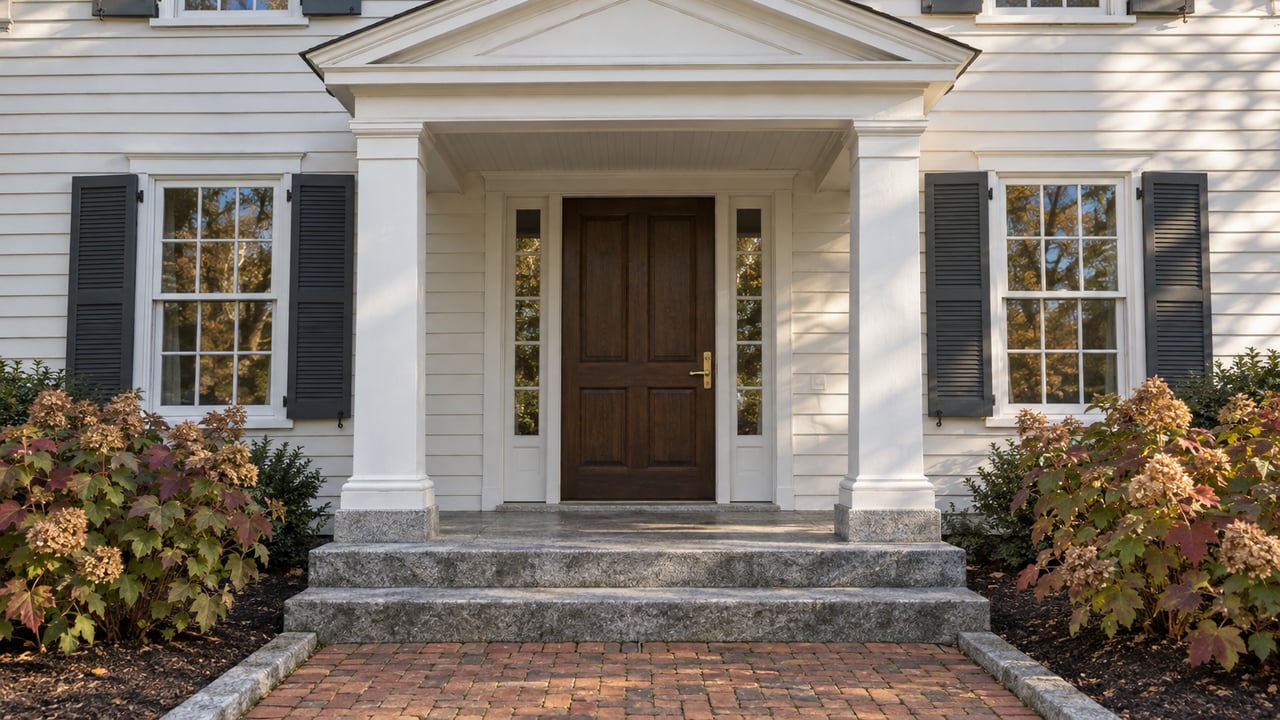
Colonial Revival is probably the architectural style buyers notice most often in Belmont. The town describes it as one of the most widely used local styles, and it tends to show up as a simple, symmetrical house with rectangular massing, a prominent front entry, dormers, and a side-gabled, gambrel, or hipped roof.
In Belmont, red brick is also a common expression of the style. That gives many of these homes a classic, grounded look that feels formal without being fussy. If you are drawn to timeless architecture, this is often the style that checks that box.
How Colonials Live Today
From a livability standpoint, Colonials often adapt well to modern use. Their symmetry can make additions and interior reworking more straightforward, and upper-level dormers often create practical space for a home office, bedroom, or playroom.
That does not mean every Colonial has an open layout or a fully updated plan. It does mean the bones often support thoughtful modernization well. If you want historic character with a cleaner path to updates, this is usually a strong place to start.
Victorian-Era Homes in Belmont
In Belmont, Victorian-era homes are not one single look. The category includes late-19th-century styles such as Queen Anne, Shingle Style, Stick Style, Italianate, and French Second Empire, each with its own visual language.
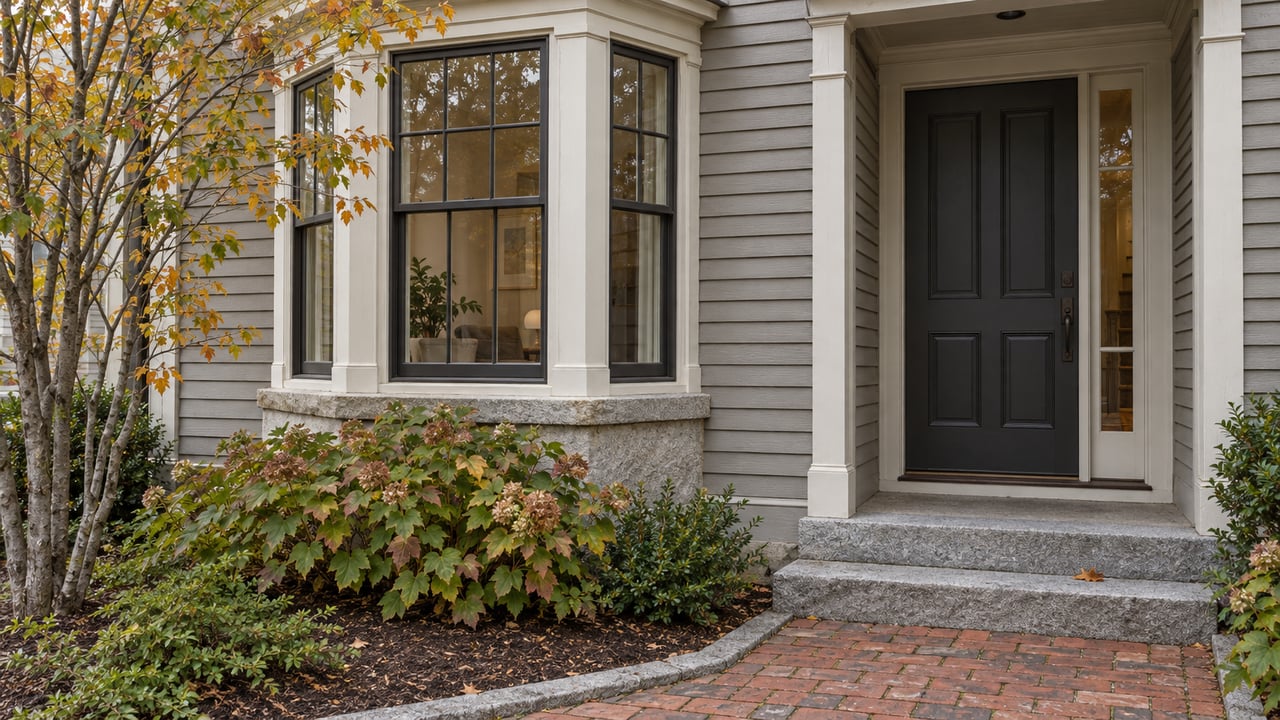
Queen Anne homes tend to be the most ornate and immediately recognizable. They are often asymmetrical and may include porches, bays, towers or turrets, chimneys, and a mix of textures and colors that create a lively exterior.
Where You See Victorian Character
Belmont Park is one of the clearest examples of this era’s influence. It is a late-19th-century subdivision with lots measuring less than a quarter acre, and most of its development took place between 1894 and 1899. The area is dominated by Queen Anne, Shingle, and Colonial Revival houses.
The Pleasant Street Historic District also reflects this period’s architectural range. There, you can find examples of Italianate, Second Empire, and Queen Anne homes that show how much visual variety exists even within the broader Victorian label.
How Victorian Homes Live Today
These homes often appeal to buyers who value original detail and a strong sense of place. You may find dramatic facades, distinctive room shapes, and exterior craftsmanship that would be difficult to replicate today.
Inside, daily living can feel more room-by-room than in newer homes. Renovation decisions often center on how to adapt older layouts while preserving the exterior details that give the house its identity. If character is your priority, Victorian-era homes can be especially rewarding.
Tudor Revival Homes in Belmont
Tudor Revival offers a very different feel from Belmont’s many Colonials. The town describes these homes as steep-gabled, often half-timbered, and asymmetrical, with diamond-paned windows and an English cottage feel.
In Belmont, many Tudor homes are architect-designed. They are more common in subdivisions such as Clark Hill and Walnut Hill, where spacious lots, landscaping, and stone walls contribute to a more secluded setting.
How Tudors Feel Day to Day
Tudors often bring a sense of atmosphere right away. The massing, rooflines, and detailing can make them feel especially private and visually dramatic, both outside and in.
At the same time, their floor plans may feel more compartmentalized than a Colonial. For some buyers, that means cozy, defined spaces with a lot of charm. For others, it may mean planning carefully if a more open layout is important.
Modern and Pre-Fab Homes in Belmont
Because Belmont has relatively little newer inventory overall, its modern homes can stand out in a memorable way. The town’s architectural story includes International Style houses as well as Tech / Pre-Fab homes dating from 1950 and later.
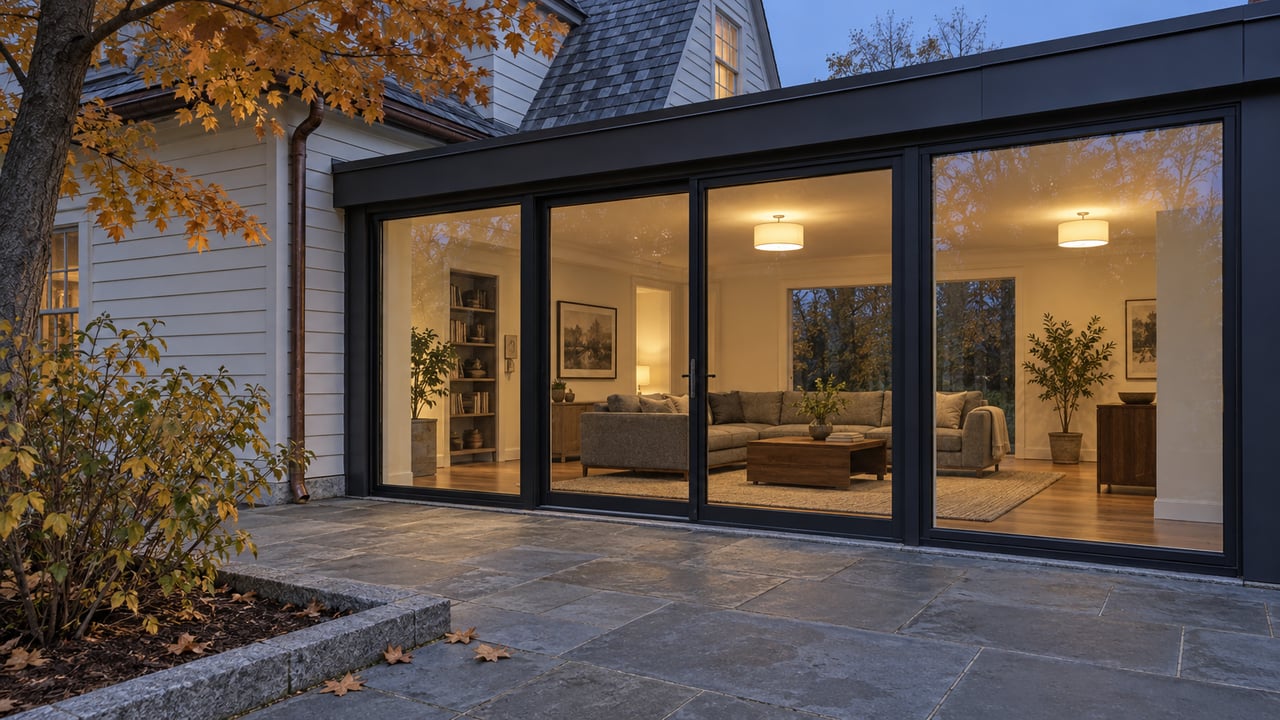
International Style examples in Belmont emphasize flat roofs, smooth unornamented walls, cantilevered projections, and large expanses of glass. The Tech / Pre-Fab category includes modular and semi-factory-built houses, which add another layer to the town’s architectural range.
Snake Hill’s Modern Legacy
One of Belmont’s most notable modern enclaves is Snake Hill. The town identifies it as one of the earliest and most significant Modern house neighborhoods in the country, developed by architect Carl Koch in the early 1940s. It consists of just seven houses on Snake Hill Road.
That small number helps explain why modern homes in Belmont can feel scarce. When they do come to market, they often attract buyers who want something more open, light-filled, and closely connected to the landscape.
How Modern Homes Live Today
Compared with much of Belmont’s older housing stock, modern and pre-fab homes often feel more flexible in daily use. Their forms usually support stronger daylight, cleaner lines, and a more contemporary flow between rooms.
If you prioritize open living, large windows, and a less formal relationship between indoor and outdoor space, these homes may feel the most natural. The tradeoff is availability, since they make up a much smaller share of Belmont’s inventory.
Belmont Living Is Not One Template
One of the most important things to understand about Belmont is that style alone does not tell the whole story. The same architectural label can feel very different depending on where the house sits, when it was built, and how the lot relates to the street and surrounding landscape.
Belmont Hill, for example, developed over a long period and includes everything from early Federal and Second Empire houses to Colonial, English Revival, and International Style dwellings. Payson Park spans roughly 1886 to 1920 and includes Queen Anne, Colonial Revival, English Revival, and Craftsman homes.
That is why two Belmont homes with similar square footage can offer very different daily experiences. Some feel formal and historic, others more practical and relaxed, and in many cases the setting matters just as much as the floor plan.
What Buyers Should Know About Updates
If you are considering renovations, additions, or future flexibility, Belmont’s lot patterns and preservation rules deserve early attention. Many older neighborhoods were developed on smaller historic lots, while current zoning in single-residence districts requires relatively large minimum lots and frontages.
Today, those districts require minimum lots ranging from 9,000 to 25,000 square feet and frontage from 75 to 125 feet. That means some older homes may be nonconforming or simply less forgiving when it comes to expansion.
Historic District Review Matters
In Belmont’s local historic districts, exterior work visible from a public way requires approval from the Historic District Commission. A building permit cannot be issued until the appropriate certificate is in place.
For you, the practical lesson is simple: check renovation assumptions early. A beautiful house may still be a strong fit, but the path to adding space or changing exterior elements may be more specific than it first appears.
ADUs Add New Flexibility
Belmont adopted an ADU bylaw in March 2025. For some properties, that creates a new option for adding flexible living space where zoning and lot conditions allow.
That will not apply the same way to every home. Still, it adds an important layer of possibility for buyers who are thinking ahead about guest space, multigenerational living, or other changing household needs.
Which Belmont Style Fits You Best?
The right Belmont home style often comes down to how you want to live, not just what you want to look at. A Colonial may offer the clearest path to updating. A Victorian may deliver the richest period detail. A Tudor may offer atmosphere and privacy. A modern home may give you the most contemporary layout and light.
Belmont rewards buyers who appreciate architecture and are comfortable evaluating both charm and practicality. When you understand how each style tends to function today, you can search with much more confidence and make smarter decisions about value, updates, and long-term fit.
If you are exploring Belmont or comparing it with other western Boston suburbs, working with an advisor who understands how architecture, setting, and resale value intersect can make the process much clearer. To start a thoughtful home search or discuss what style may fit your goals best, connect with Allison Blank.
FAQs
What home style is most common in Belmont, MA?
- Colonial Revival is described by the town as probably Belmont’s most widely used architectural style.
What do Victorian homes in Belmont usually look like?
- Belmont’s Victorian-era homes can include Queen Anne, Shingle Style, Stick Style, Italianate, and French Second Empire, with many showing asymmetrical shapes, porches, bays, and decorative exterior detail.
Where are Tudor Revival homes found in Belmont?
- Tudor Revival homes are more prevalent in areas such as Clark Hill and Walnut Hill, where spacious lots, landscaping, and stone walls help shape the setting.
Are modern homes common in Belmont?
- No. Belmont has comparatively limited newer inventory, which makes its modern and pre-fab homes more notable and generally less common than older styles.
What should buyers know about renovating older Belmont homes?
- Buyers should check zoning, lot conditions, and historic district rules early, since some older homes sit on smaller historic lots and exterior work in local historic districts may require Historic District Commission approval.
Does Belmont allow ADUs?
- Belmont adopted an ADU bylaw in March 2025, which may allow added flexible living space on some properties where zoning and lot conditions permit.