If you love Newton or Brookline but want to widen your search, Belmont may deserve a closer look. For many buyers, it offers a familiar mix of close-in convenience, established housing, and strong local identity, but with a different scale and feel. Understanding where Belmont fits, especially compared with Newton and Brookline, can help you focus your search with more confidence. Let’s dive in.
Why Belmont Stands Out
Belmont is a small, primarily residential suburb about 8 miles west of downtown Boston. According to the Town of Belmont community overview, the town covers 4.655 square miles, and Census QuickFacts estimates its population at 27,442.
For Newton and Brookline buyers, Belmont often feels like a middle ground. It is more compact than Newton and less dense than Brookline, with a population density of 5,872.4 people per square mile, compared with 4,987.8 in Newton and 9,347.8 in Brookline, based on Census data. In practical terms, that can translate to a village-oriented layout with a residential character that feels connected but not overly urban.
Belmont’s Housing Feel
One of Belmont’s biggest differences is its housing stock. The town’s Housing Production Plan shows a mix of detached single-family homes, attached homes, two-family properties, and smaller multifamily buildings, with about 45.6% detached single-family homes and 33.9% two-unit buildings.
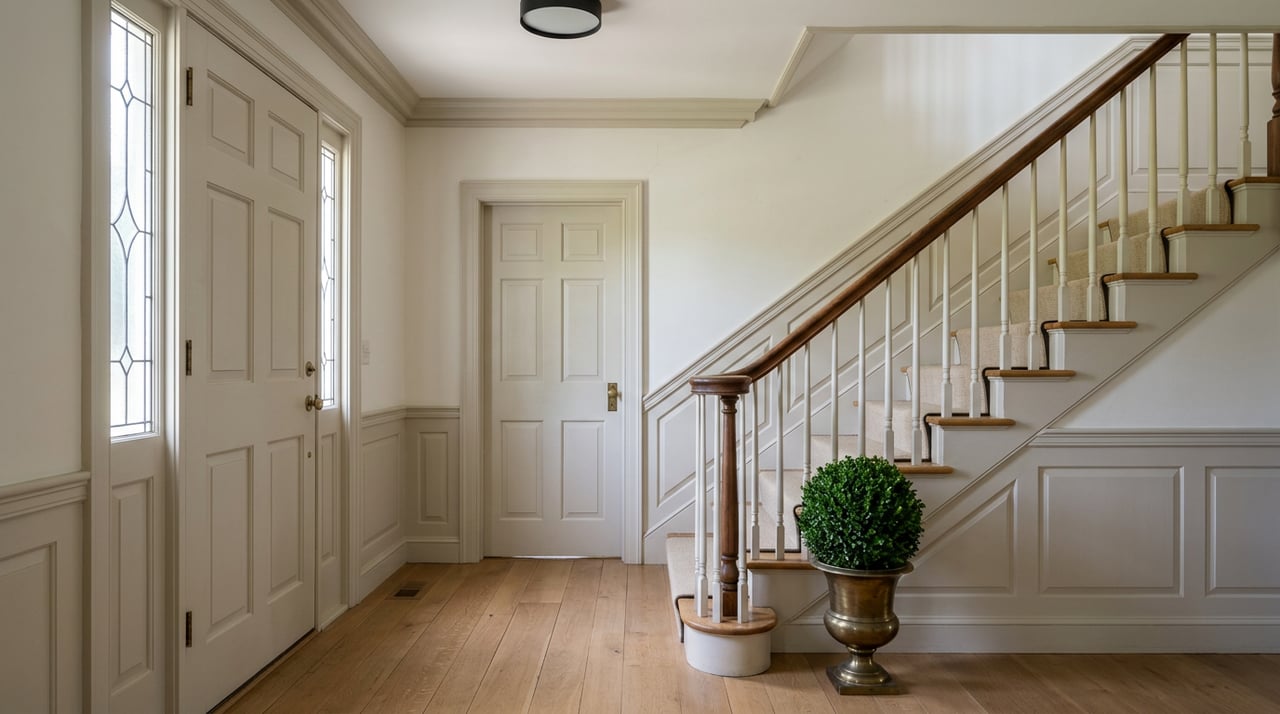
That same plan notes that more than 60% of Belmont’s housing was built before 1939. For you as a buyer, that usually means older homes, more architectural variety, and a market where updates, renovations, and long-term upkeep are often part of the conversation.
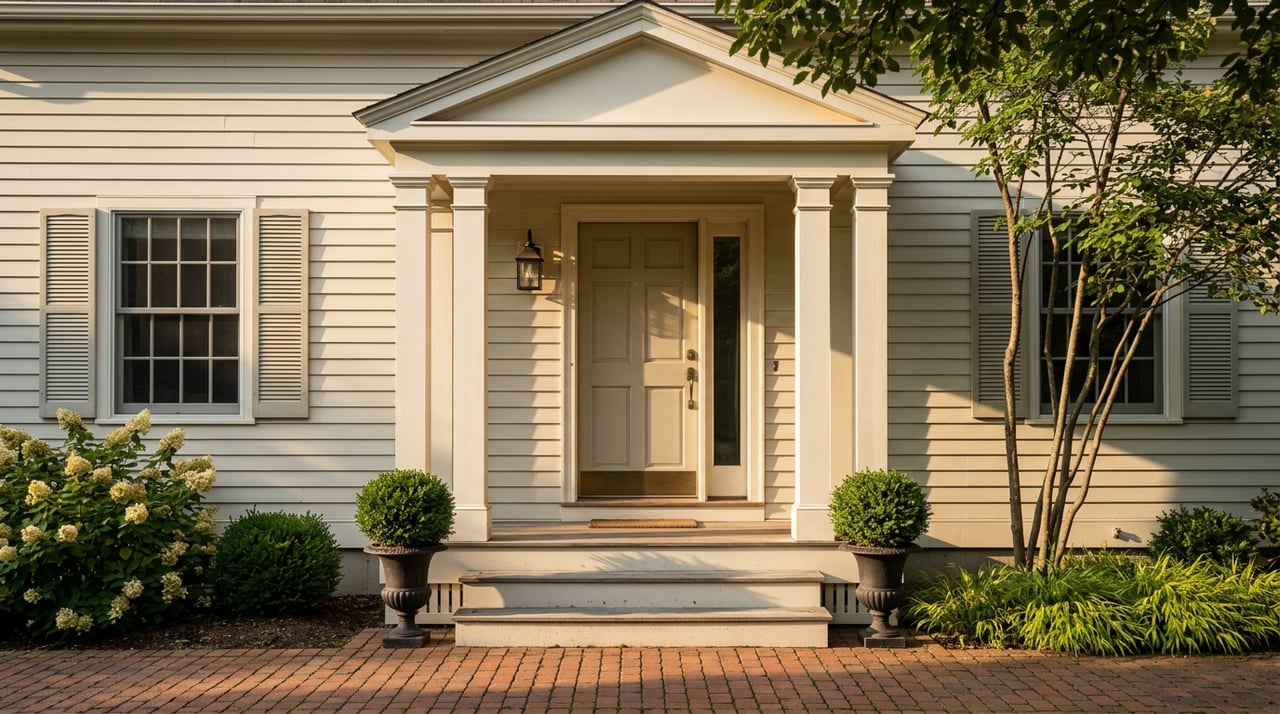
Belmont is not defined by one repeating house style. The town’s historic area overview describes places like Belmont Park, Clark Hill, Belmont Hill, and Waverley as having distinct architectural patterns and development histories, from Queen Anne and Shingle homes to Craftsman, Colonial Revival, and English Revival styles.
Village Centers and Neighborhood Pattern
A big part of Belmont’s appeal is its village structure. Belmont Center and Cushing Square are two of the town’s commercial hubs, and Waverley developed from an earlier railroad center into a streetcar suburb, according to the town’s historic district materials.
For buyers used to Newton and Brookline, this can be a helpful lens. Belmont tends to feel organized around smaller nodes rather than a single downtown or a highly urban street grid. That village pattern often gives house-hunting in Belmont a more pocket-by-pocket feel.
Older Homes and Preservation
Belmont’s housing market is closely tied to preservation and stewardship. The town maintains local historic districts, and its preservation framework helps explain why the housing stock remains so rooted in older homes and established streetscapes.
That does not mean every property comes with the same level of restriction, but it does mean Belmont is generally not a new-construction-driven market. If you are considering Belmont, it is smart to expect more character-rich homes and fewer brand-new inventory options than you might find in some other suburban search areas.
How Belmont Compares on Schools
For many Newton and Brookline buyers, school district scale is part of the decision. The Massachusetts DESE district profile for Belmont Public Schools shows 7 schools serving 4,433 students in 2025-26, with Belmont High School enrolling 1,498 students and reporting a student-teacher ratio of 15.8 to 1.
The same DESE report classifies Belmont as not requiring assistance or intervention and as meeting or exceeding targets, with an accountability percentile of 83. Newton and Brookline are also in the not requiring assistance or intervention category, but they are larger systems. Newton’s district profile reports 22 schools and 11,461 students, while Brookline’s district data in the research report notes 12 schools and 6,948 students.
The clearest takeaway is not that one district is universally better than another. It is that Belmont offers a materially smaller public school system than either Newton or Brookline, which may matter if you are comparing overall scale and structure.
Commuting From Belmont
Belmont can also appeal to buyers who want suburban housing with workable access to Boston and nearby job centers. The town notes that Belmont is accessible via Route 2 and served by the MBTA commuter rail on the Fitchburg Line to North Station. Town transportation materials also identify Waverley Station as a Fitchburg Line stop and reference nearby bus routes 73 and 554, according to this town transportation document.
Compared with Newton and Brookline, Belmont’s transit network is more limited. Newton offers Green Line D service, commuter rail access, and multiple bus lines, according to the city’s public transportation overview. Brookline has broader Green Line access and several bus routes, based on the research report.
For you, the practical point is simple. Belmont has a real transit story, especially if commuter rail access works for your routine, but it is generally less transit-dense than Brookline and less multimodal than Newton.
Belmont Home Values in Context
Belmont is often viewed as an alternative to Newton or Brookline, but not as a bargain version of either. Census QuickFacts lists Belmont’s median owner-occupied home value at $1,159,000, compared with $1,264,900 in Newton and $1,246,800 in Brookline.
That gap matters, but it is not dramatic. Belmont may come in somewhat below its neighbors by this measure, yet it remains firmly in the premium inner-suburb category.
The same Census data shows Belmont’s owner-occupied housing rate at 64.7%, compared with 70.0% in Newton and 46.9% in Brookline. That helps support Belmont’s reputation as a more owner-occupied, less renter-heavy environment than Brookline.
Belmont Between Newton and Brookline
If you are trying to place Belmont on the map mentally, think of it as sitting between Newton and Brookline in both housing form and neighborhood texture. Belmont’s Housing Production Plan shows a market with about half single-family housing, a large share of two-unit properties, and relatively modest multifamily inventory.
That mix is different from Newton, where the research report notes that more than 55% of housing units are single-family homes, and from Brookline, where only 17.3% of units are single-family detached and about 37% are condominiums. In other words, Belmont can offer a more residential feel than Brookline, while still feeling smaller and more village-oriented than much of Newton.
Who Belmont May Suit Best
Belmont can make sense if you want:
- A close-in suburb with a compact footprint
- Older housing stock with architectural variety
- A smaller public school district than Newton or Brookline
- Village-style commercial centers rather than a denser urban pattern
- Rail access, while accepting a less extensive transit network
It may be especially worth exploring if your search in Newton or Brookline has you asking for a very specific blend of character, scale, and location. Belmont does not replicate either town exactly, which is often the point.
Final Takeaway
For Newton and Brookline buyers, Belmont is best understood as a distinct third option rather than a backup plan. It offers an older, preservation-minded housing stock, a smaller district footprint, village-centered commercial areas, and home values that are somewhat below Newton and Brookline by Census measure, but still firmly in a high-demand market tier.
If you are weighing where Belmont fits into your search, local context matters. The right comparison is not just price, but also housing type, daily commute, neighborhood layout, and the kind of living experience you want over time. If you want help comparing Belmont with Newton or Brookline at the property and neighborhood level, Allison Blank & Company can help you build a smart, location-specific plan.
FAQs
How does Belmont compare with Newton for homebuyers?
- Belmont is smaller than Newton in both land area and population, has a smaller public school system, and offers a more village-oriented layout, while Newton has a broader housing inventory and more transit options based on the research report.
How does Belmont compare with Brookline for homebuyers?
- Belmont is less dense than Brookline, more owner-occupied by Census measures, and generally more residential in housing form, while Brookline has a more urban transit network and a larger share of multifamily and condominium housing.
What kind of housing stock should buyers expect in Belmont?
- Belmont’s housing stock is mostly older, with more than 60% of homes built before 1939, and includes detached homes, two-family properties, and smaller multifamily buildings, according to the town’s Housing Production Plan.
What should Newton and Brookline buyers know about Belmont schools?
- Belmont Public Schools is a smaller district with 7 schools and 4,433 students in 2025-26, and the state district profile classifies it as not requiring assistance or intervention and as meeting or exceeding targets.
What should buyers know about commuting from Belmont?
- Belmont offers access via Route 2, MBTA commuter rail service on the Fitchburg Line, Waverley Station, and nearby bus routes, though its transit network is less extensive than what Newton and Brookline offer.
Is Belmont more affordable than Newton or Brookline?
- Census QuickFacts shows Belmont’s median owner-occupied home value at $1,159,000, compared with $1,264,900 in Newton and $1,246,800 in Brookline, so Belmont appears somewhat lower by that measure but not dramatically discounted.