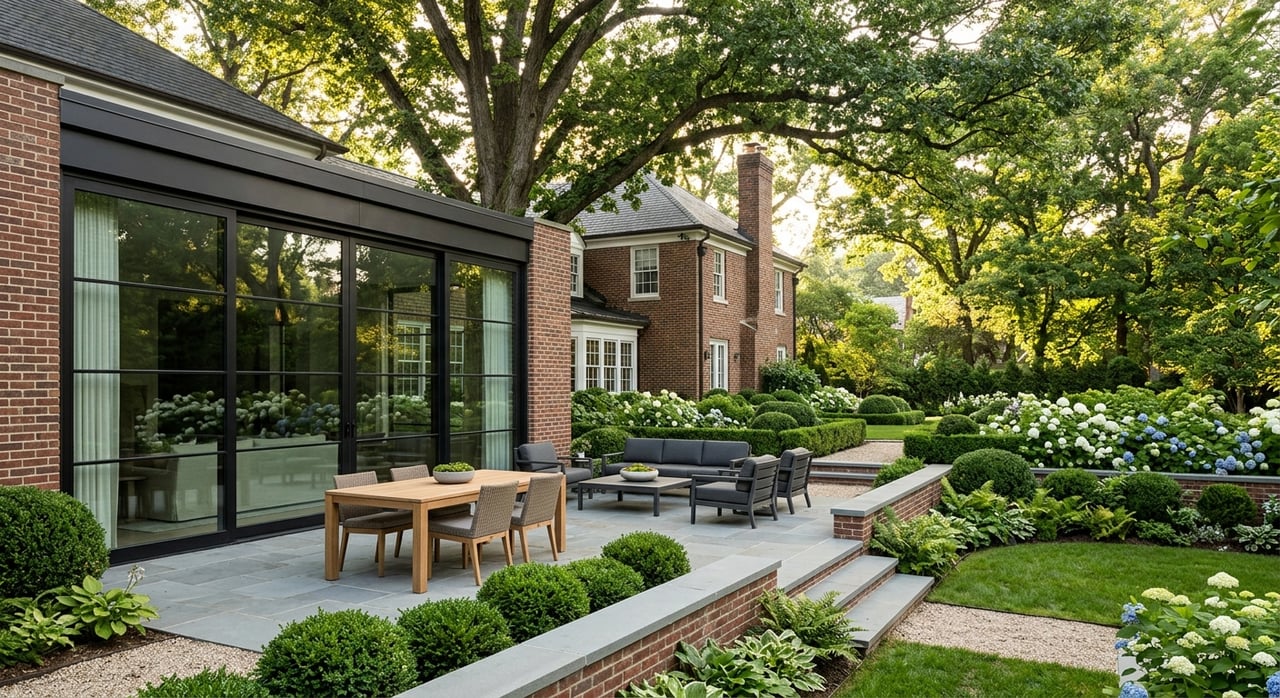
If you only know Chestnut Hill for its shopping destinations, you are missing the part that gives the area its staying power. For many buyers, the real appeal is what happens between errands: quiet residential streets, preserved architecture, daily walking routes, and easy access to green space and cultural activity. If you are trying to understand what living here actually feels like, this guide will help you look past the storefronts and into the rhythm of the neighborhood. Let’s dive in.
Chestnut Hill Is More Than a Retail Address
Chestnut Hill is best understood as a historic residential village area, not just a shopping corridor. Newton identifies it as the city’s easternmost village, with roots going back to settlement by the Hammond family in 1665. Rail access to Brookline and Boston in the mid-1800s helped shape the neighborhood into a connected residential area.
That history still matters today because Chestnut Hill crosses municipal boundaries. Parts of the neighborhood sit in Newton and parts in Brookline, yet the area often feels like one place. That shared identity helps explain why people describe Chestnut Hill as a village first and a retail destination second.
Historic Character Shapes Daily Life
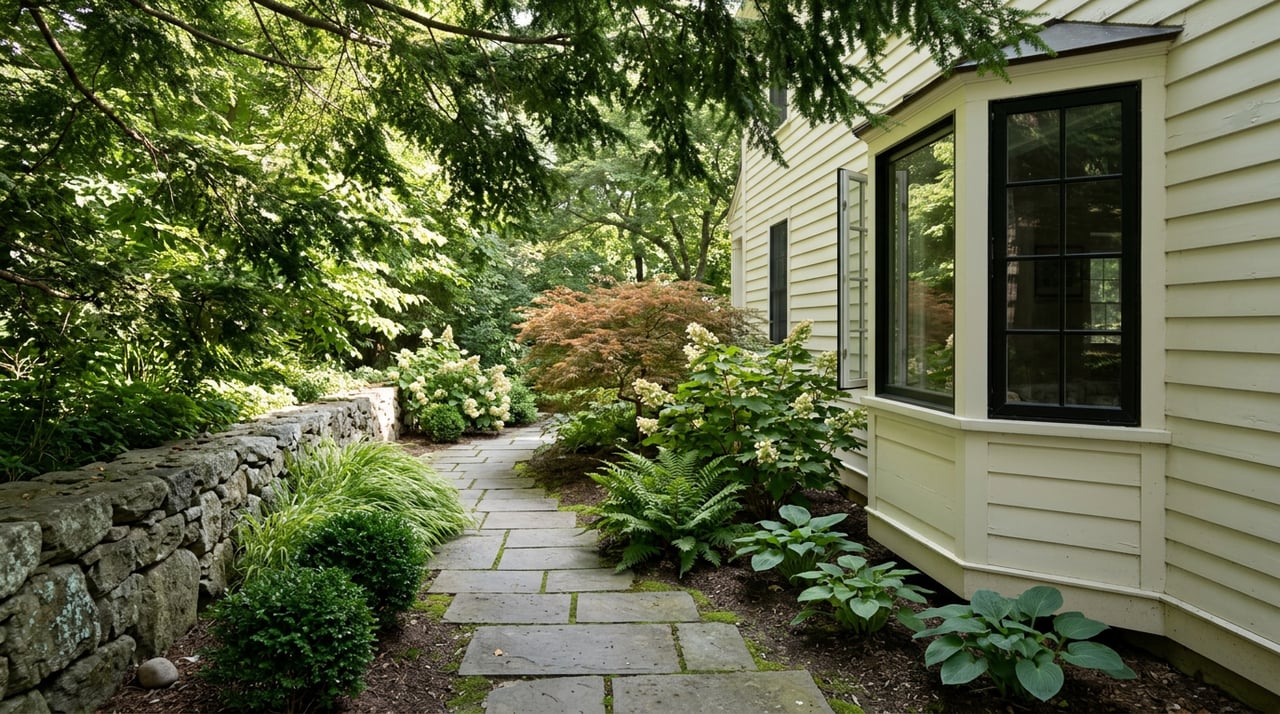
One of the strongest parts of Chestnut Hill’s identity is its residential fabric. Newton describes the Chestnut Hill district as architecturally important and notably intact, while Brookline’s historic materials highlight landscaped lots, gently curving roads, and mature trees that follow the land’s natural topography. In practical terms, that means the neighborhood often feels settled, scenic, and thoughtfully planned.
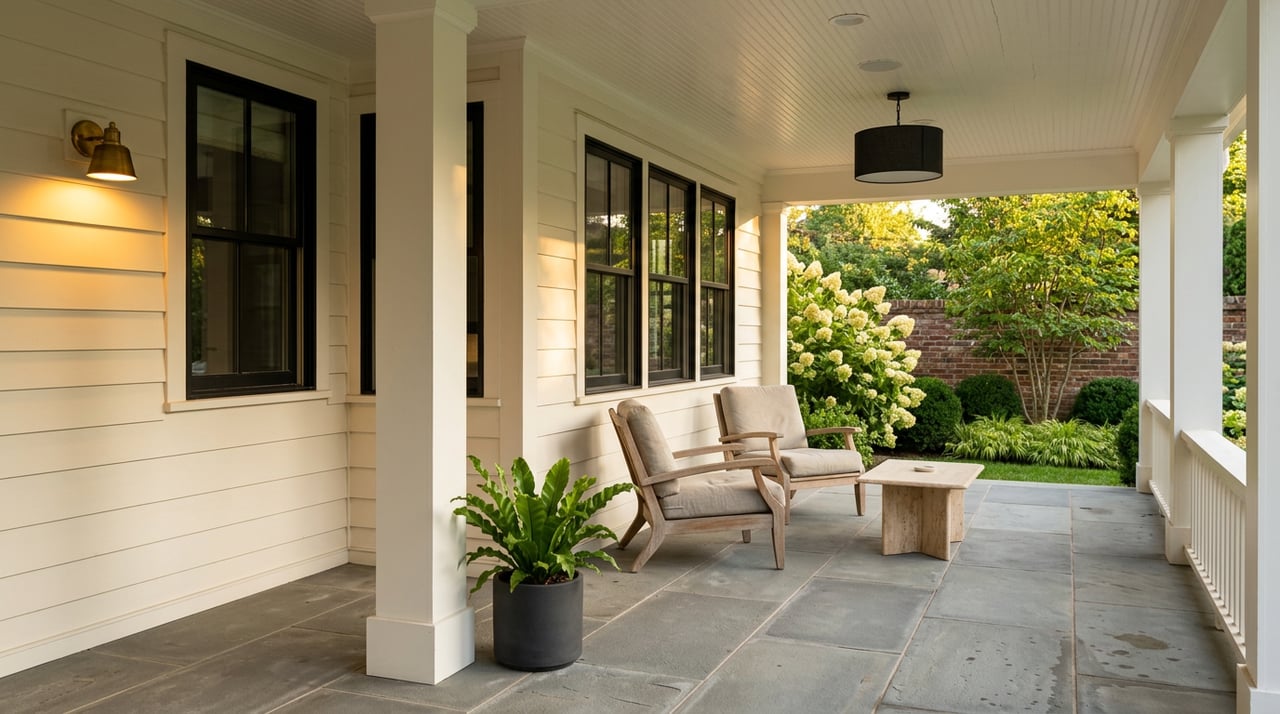
You can see that character in the housing styles found throughout the area. Colonial Revival, Georgian Revival, Shingle, Queen Anne, and Medieval Revival homes all help define the visual language of Chestnut Hill. For buyers who care about design, scale, and streetscape, that mix creates a setting that feels distinctive rather than interchangeable.
It is also helpful to know that preservation is part of the story, but not the whole story. Newton’s local historic district protects an important portion of Chestnut Hill, though it does not cover the entire village. So, your block-by-block experience can vary depending on where you are.
Green Space Is Part of the Routine
For many residents, Chestnut Hill’s biggest luxury is not retail convenience. It is access to outdoor space that fits naturally into everyday life. The area offers a rare combination of reservoir paths, wooded trails, conservation land, and large public parks within a close-in suburban setting.
Chestnut Hill Reservation Adds a Scenic Loop
Chestnut Hill Reservation is one of the clearest examples of how outdoor living shapes the area. The reservation includes a 1.5-mile paved trail around the reservoir that supports walking, jogging, biking, and seasonal recreation. Mass.gov also describes it as transit friendly and historic, which adds to its everyday usefulness.
For buyers comparing neighborhoods, this kind of loop matters because it is easy to picture as part of a daily routine. It gives you a reliable place to walk, run, or reset without having to plan a full outing. That can make a meaningful difference in how a neighborhood feels over time.
Hammond Pond Reservation Expands the Trail Network
Hammond Pond Reservation offers a different outdoor experience. In Newton, it includes dozens of trails, rock formations, fishing access, and other recreational uses. That gives Chestnut Hill a more varied natural side than many buyers expect at first glance.
There is also a current infrastructure story worth noting. The Hammond Pond Parkway project is being rebuilt as a complete-streets corridor with a shared path and improved pedestrian and cyclist access, along with better connections to nearby conservation areas. At the same time, state guidance notes that pedestrian access remains limited in some areas away from Route 9, so walkability here is better understood as strong in pockets rather than uniform everywhere.
Webster Conservation Area Adds Depth
Webster Conservation Area adds even more breathing room to the neighborhood landscape. Newton describes it as roughly 230 acres and the largest protected open space in the city. Access points include Warren, Elgin, and Madoc Streets, as well as the Mall at Chestnut Hill area and the parking lot west of Hammond Pond.
For residents, that means Chestnut Hill offers more than one signature park. You have a layered system of outdoor spaces, from paved loops to conservation trails, that can support different routines and different moods.
Houghton Garden and Larz Anderson Park Round It Out
Houghton Garden is smaller, but it plays an important connecting role. Newton says it is about a half-mile walk from the Chestnut Hill station and links to Webster Conservation Area and Old Deer Park. That makes it another example of how green space in Chestnut Hill can feel woven into the neighborhood rather than set apart from it.
Nearby Larz Anderson Park in Brookline adds one more major destination. Brookline describes it as the town’s largest park, with walking paths, slopes, ponds, and the Museum of Transportation in the historic carriage house. Together, these spaces make it easy to see why so many people experience Chestnut Hill through its landscapes as much as its streets.
Walkability Depends on Where You Are
A common question from buyers is whether Chestnut Hill is walkable. The most accurate answer is yes, but selectively. The pedestrian experience is strongest around the reservoir, Houghton Garden, Boston College, and the retail and transit nodes, while some larger corridors remain more car-oriented.
That layered walkability is important to understand before you buy. A home near open space, transit, or one of the village activity centers may feel very different from one closer to Route 9 or Hammond Pond Parkway. In Chestnut Hill, location within the neighborhood matters just as much as the neighborhood name itself.
Boston College Adds Energy and Culture
Chestnut Hill also benefits from the presence of Boston College. The campus offers concerts, theater and dance performances, film screenings, lectures, and art exhibitions, and the McMullen Museum presents public exhibitions and docent tours. Even if you are not affiliated with the university, that cultural activity adds another layer to local life.
Boston College also plays a practical role in how the neighborhood functions. Newton’s Boston College Neighborhood Council addresses issues such as construction, traffic, parking, special events, and athletic events that affect nearby areas. That ongoing coordination reflects how closely campus activity and residential life are tied together.
Transit and Errands Support Daily Convenience
Chestnut Hill’s appeal is not just about beauty or history. It is also about having useful daily conveniences in reach. Newton lists Chestnut Hill as one of the city’s Green Line stops, which helps connect the neighborhood to surrounding destinations.
The area’s retail core still matters, just in a different way than many people assume. Rather than defining the whole neighborhood, it often functions as a connective node for errands, dining, and meeting points. That mix of convenience, open space, and residential character is a big part of what makes Chestnut Hill feel balanced.
What Buyers Often Love Most
For many buyers, Chestnut Hill offers a combination that is hard to replicate. You get preserved residential character, mature landscaping, meaningful public open space, and nearby cultural institutions in one established setting. The result is a neighborhood that can feel scenic and grounded without feeling cut off.
That does not mean every block offers the same experience. Some areas feel leafy and tucked away, while others are shaped more by major roads, retail activity, or institutional uses. If you are considering Chestnut Hill, it helps to evaluate not only the home itself, but also the specific micro-location and the routines you want your day-to-day life to support.
Why This Matters When You Search
When buyers begin comparing Chestnut Hill with other west-of-Boston neighborhoods, they often start with the obvious landmarks. But the stronger long-term story is usually the one beyond the shopping centers: where you can walk in the morning, what the streetscape feels like, how much preserved character remains, and whether the area supports the pace of life you want.
That is where local perspective becomes especially valuable. A neighborhood like Chestnut Hill cannot be understood by one intersection alone. It needs to be read block by block, path by path, and routine by routine.
If you are exploring Chestnut Hill or weighing a move in Newton or Brookline, working with a local team can help you match the right property to the version of the neighborhood that fits your lifestyle best. To start your Newton or Brookline market plan, connect with Allison Blank.
FAQs
What is Chestnut Hill known for beyond shopping centers?
- Chestnut Hill is known for its historic residential character, mature landscapes, reservoir walks, conservation trails, large parks, and cultural activity connected to Boston College.
What kind of housing character does Chestnut Hill have?
- Chestnut Hill includes a notable collection of late-19th- and early-20th-century homes, with styles such as Colonial Revival, Georgian Revival, Shingle, Queen Anne, and Medieval Revival appearing throughout the area.
Is Chestnut Hill, MA walkable for daily life?
- Chestnut Hill is walkable in select pockets, especially near the reservoir, transit, Boston College, and some retail nodes, but the experience is not uniform across every corridor.
Where do Chestnut Hill residents spend time outdoors?
- Residents often use Chestnut Hill Reservation, Hammond Pond Reservation, Webster Conservation Area, Houghton Garden, and nearby Larz Anderson Park for walking, recreation, and scenic outdoor time.
Does Chestnut Hill span more than one town?
- Yes. Chestnut Hill extends across both Newton and Brookline, which helps explain why it often feels like one shared neighborhood area despite different municipal boundaries.